
Shooting guidelines for AI production
Shoot it once, right. We make the season from it.
AI production starts from your references. Four angles and a close-up of every product, three angles and a close-up of every person, pet or space that has to stay the same, give our art directors what they need to keep it exact in every commercial, ad and editorial. Pick your industry for worked examples.
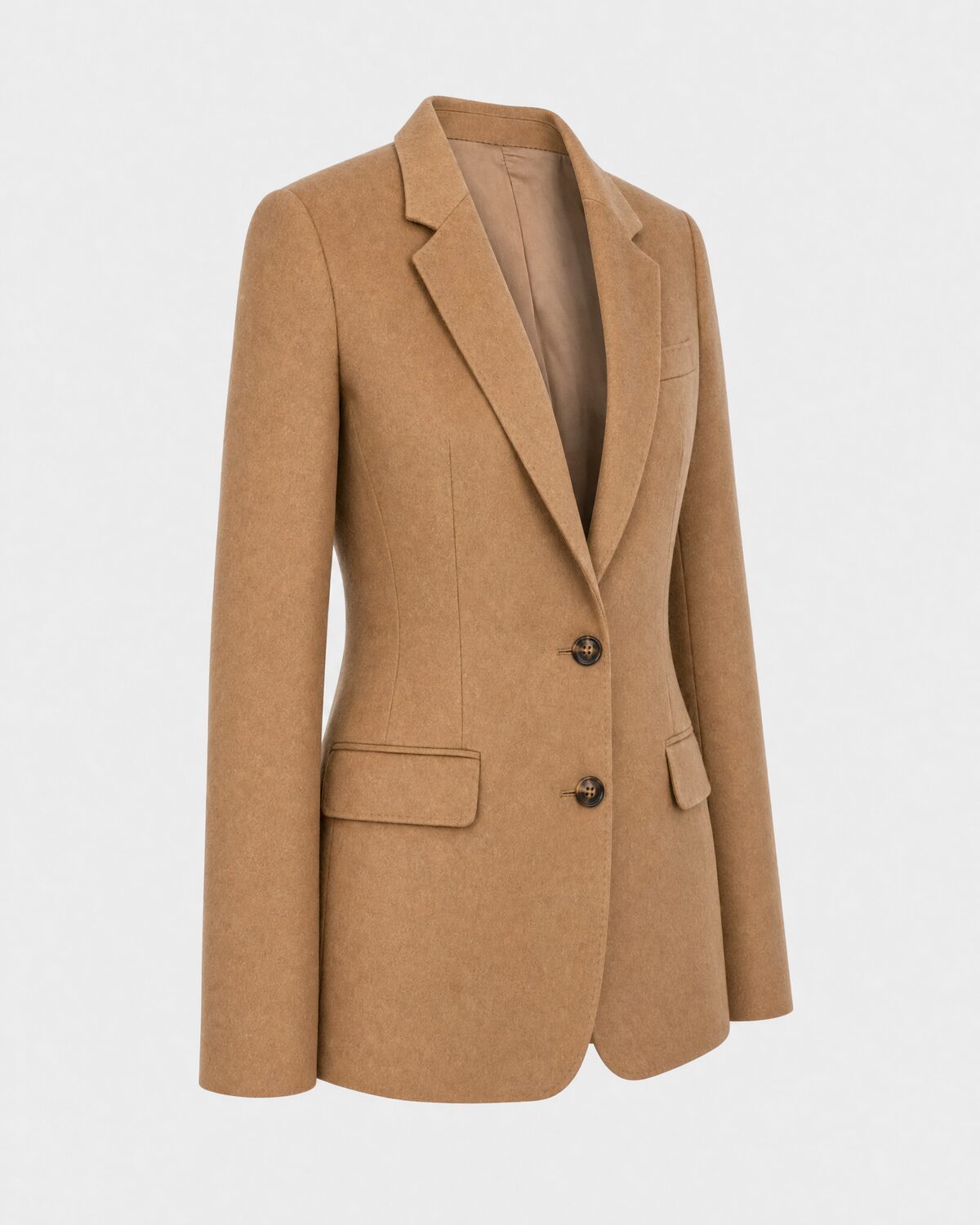
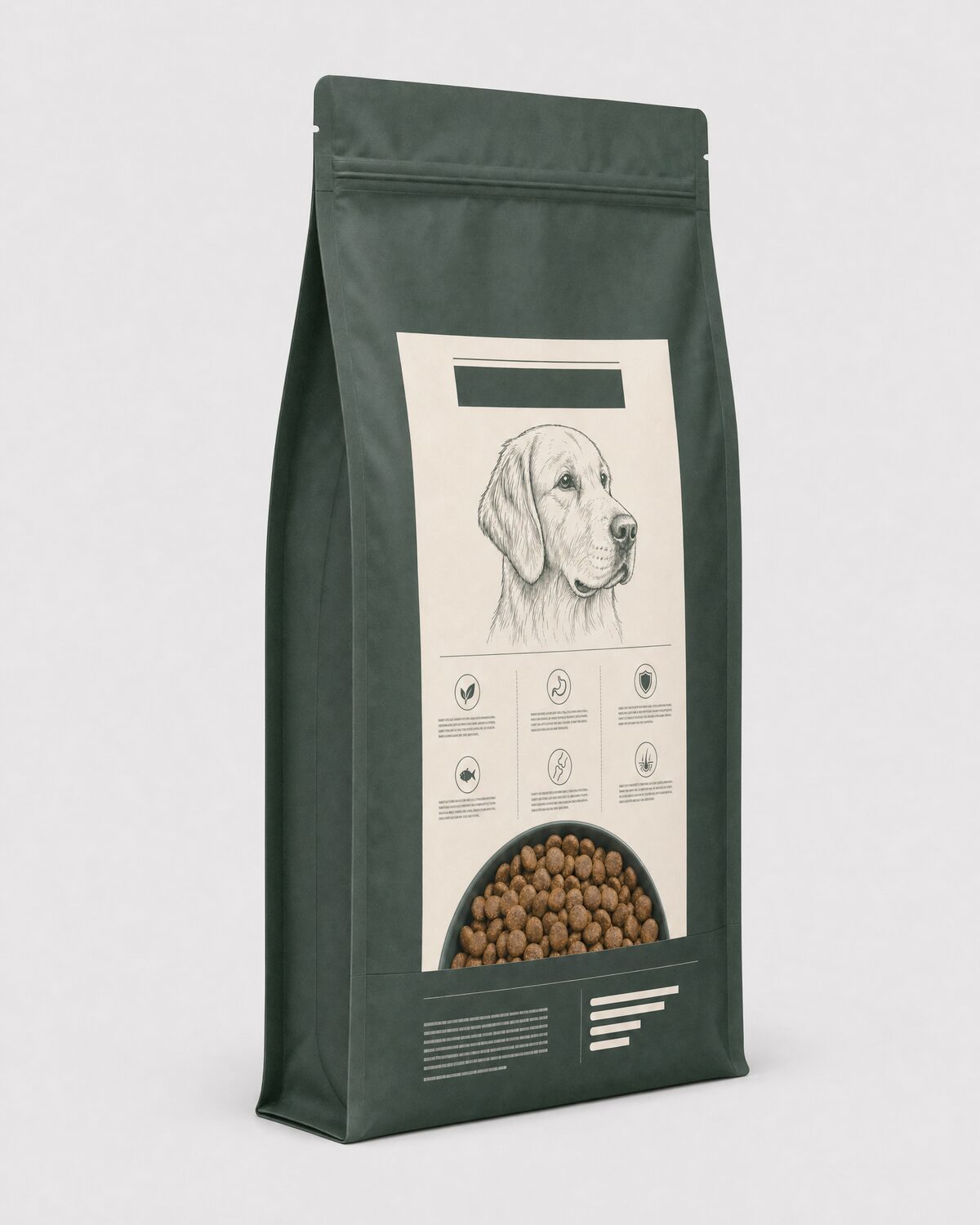
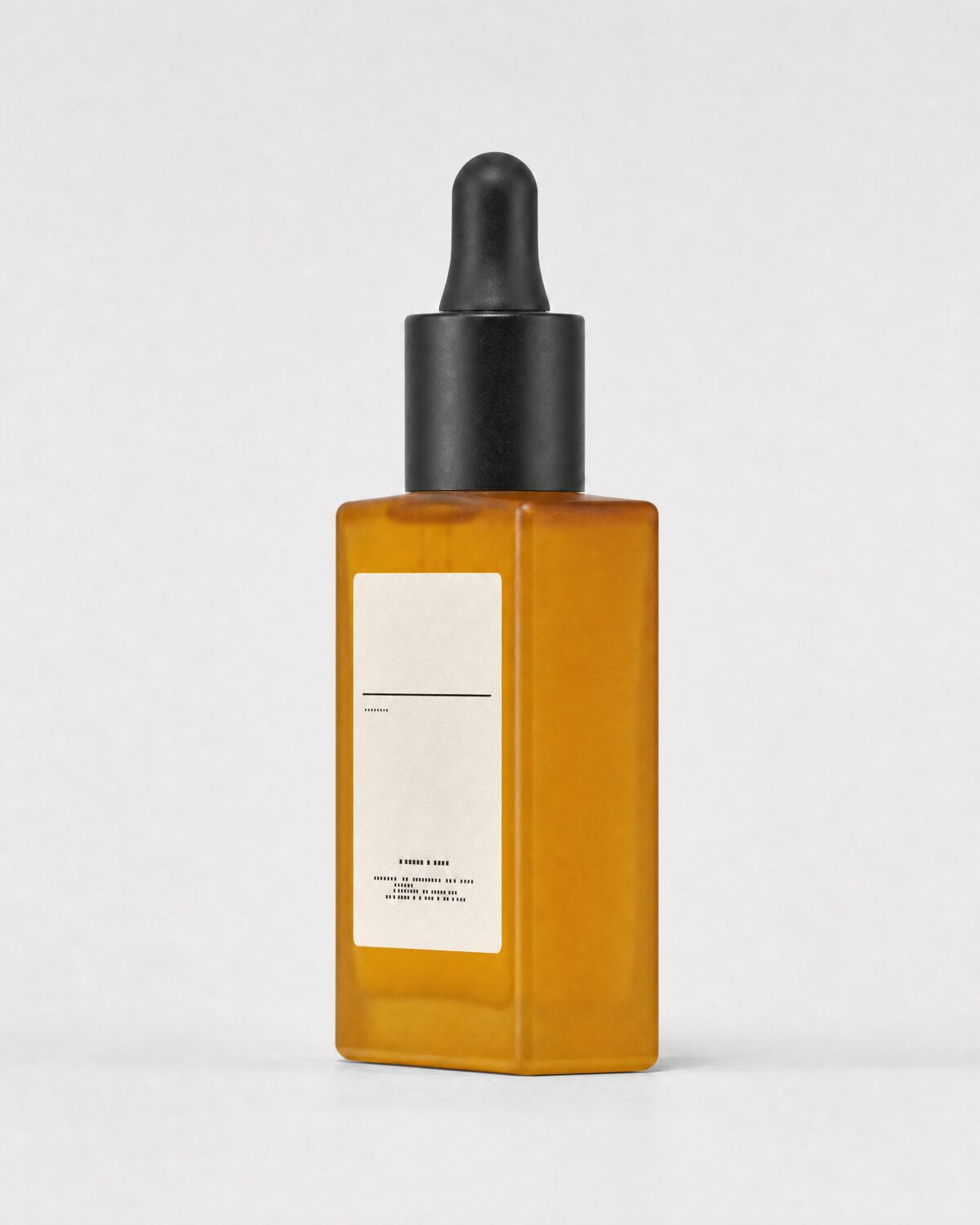
The rule
Every side of everything that has to stay the same.
Front, side and three-quarter for the product and for the person, pet or room it appears with; the back for every product; and a close-up of the logos, labels and textures that are hardest to reproduce. Together they let us keep it exact from any viewpoint the campaign needs.
Front0°
Fixes the design: shape, symmetry, label, face.
Side90°
Gives depth and proportions the front hides.
Three-quarter45°
Shows volume the way most campaign shots see it.
Back180°
Products only: seams, closures, back labels and claims the front never shows.
Close-upDetail
Logos, labels, hardware and texture, sharp and flat to the camera.
Worked examples
Pick your industry.
Each guide shows a product from four angles and a subject from three, each with a close-up, and what to watch for in your category.
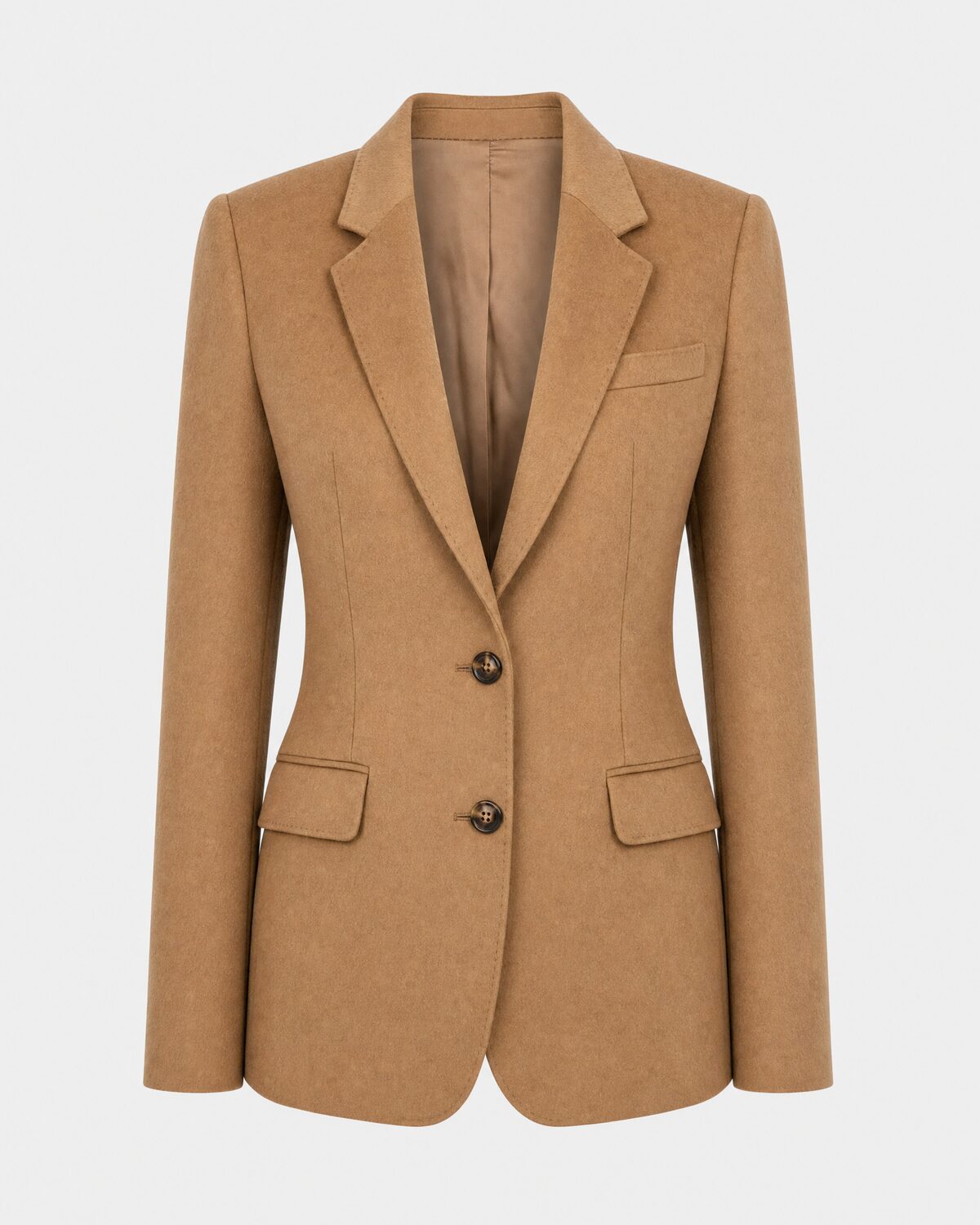
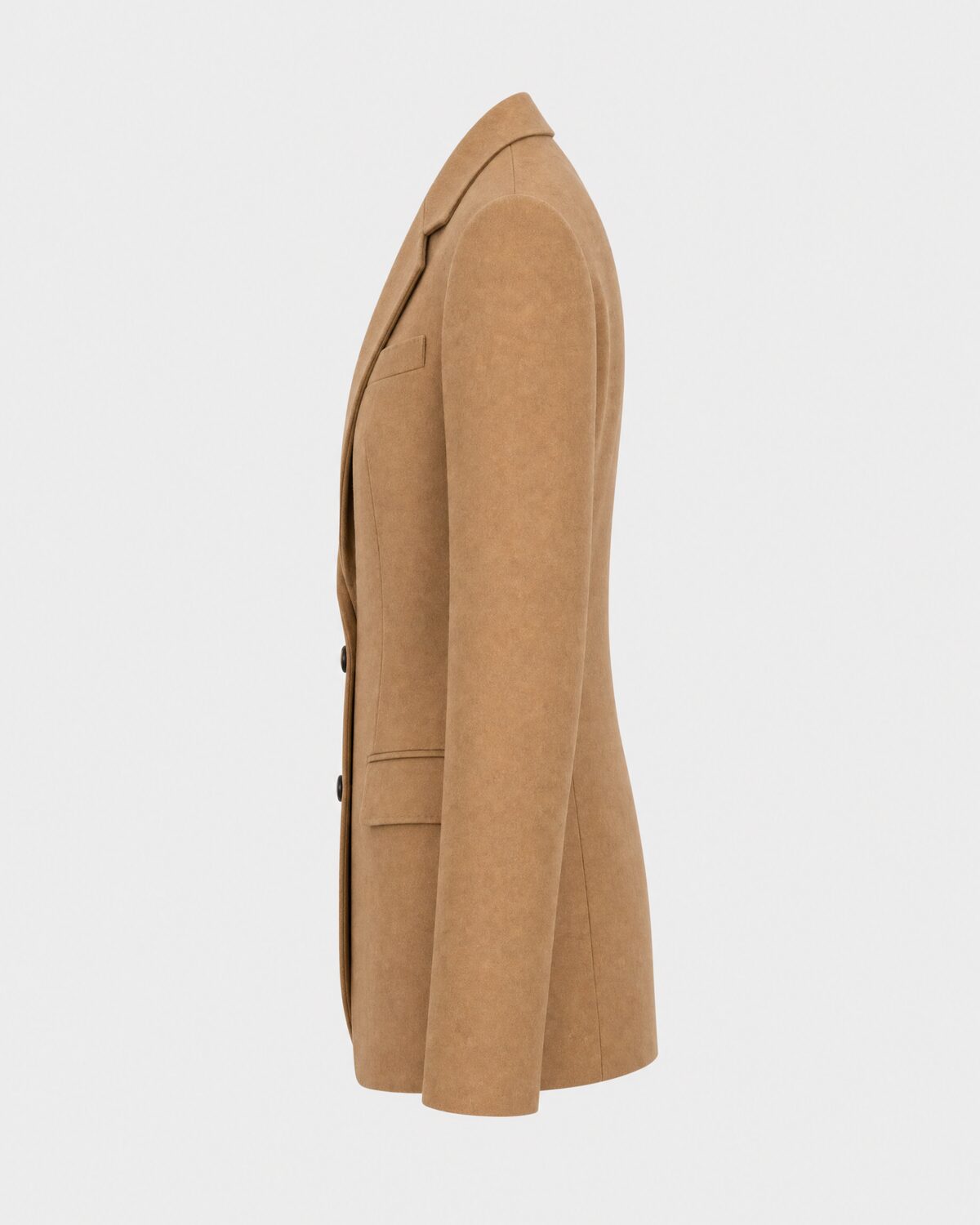
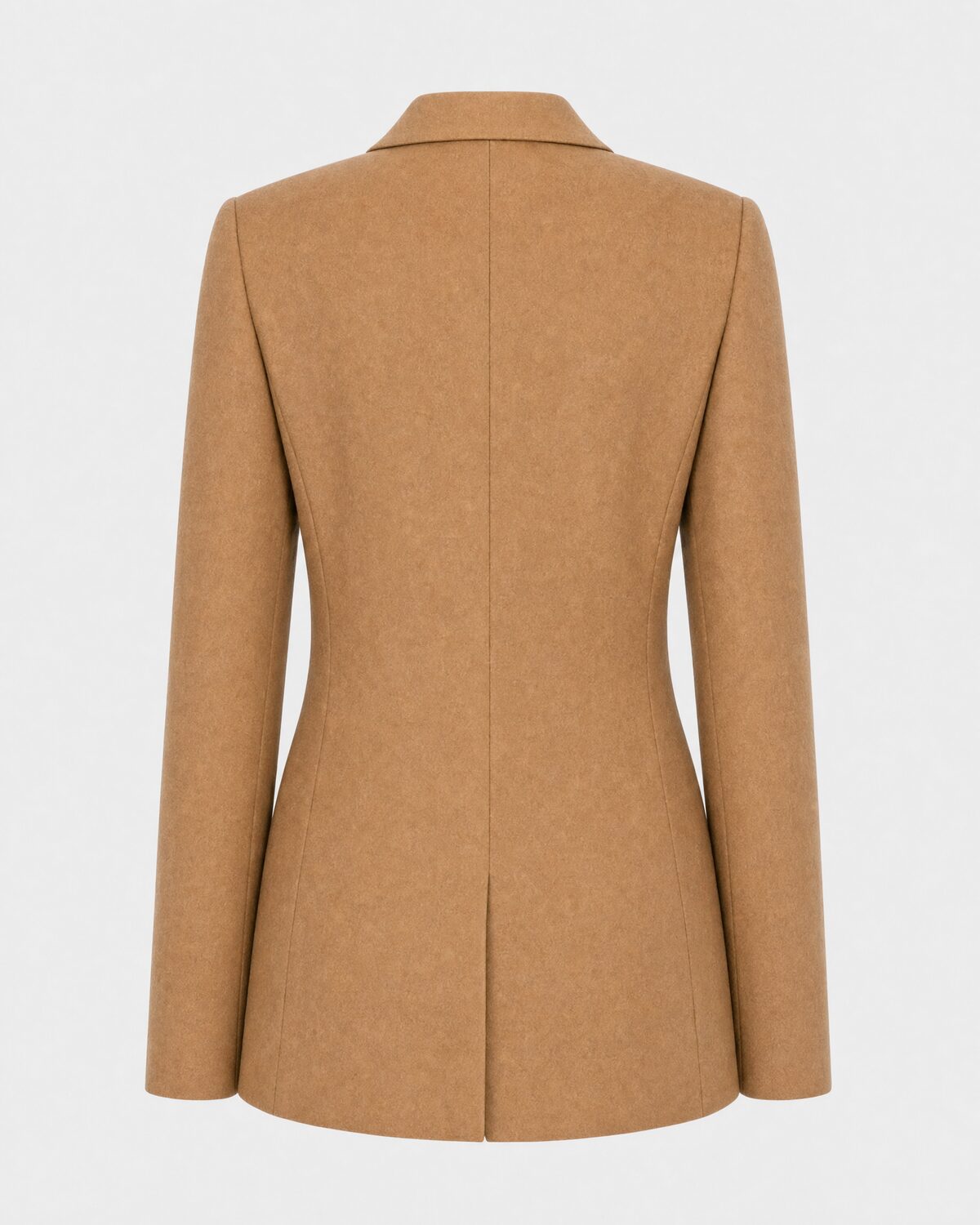
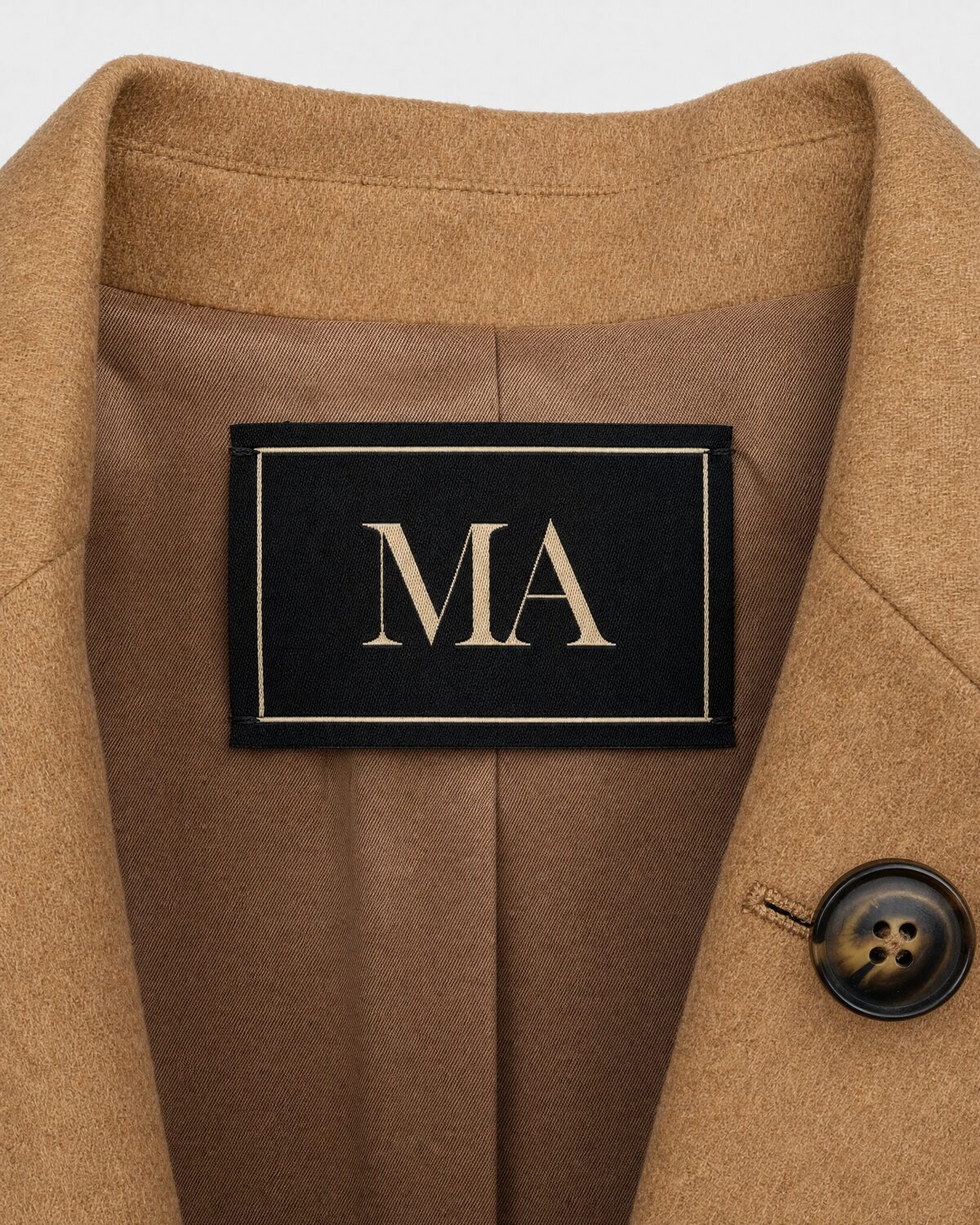
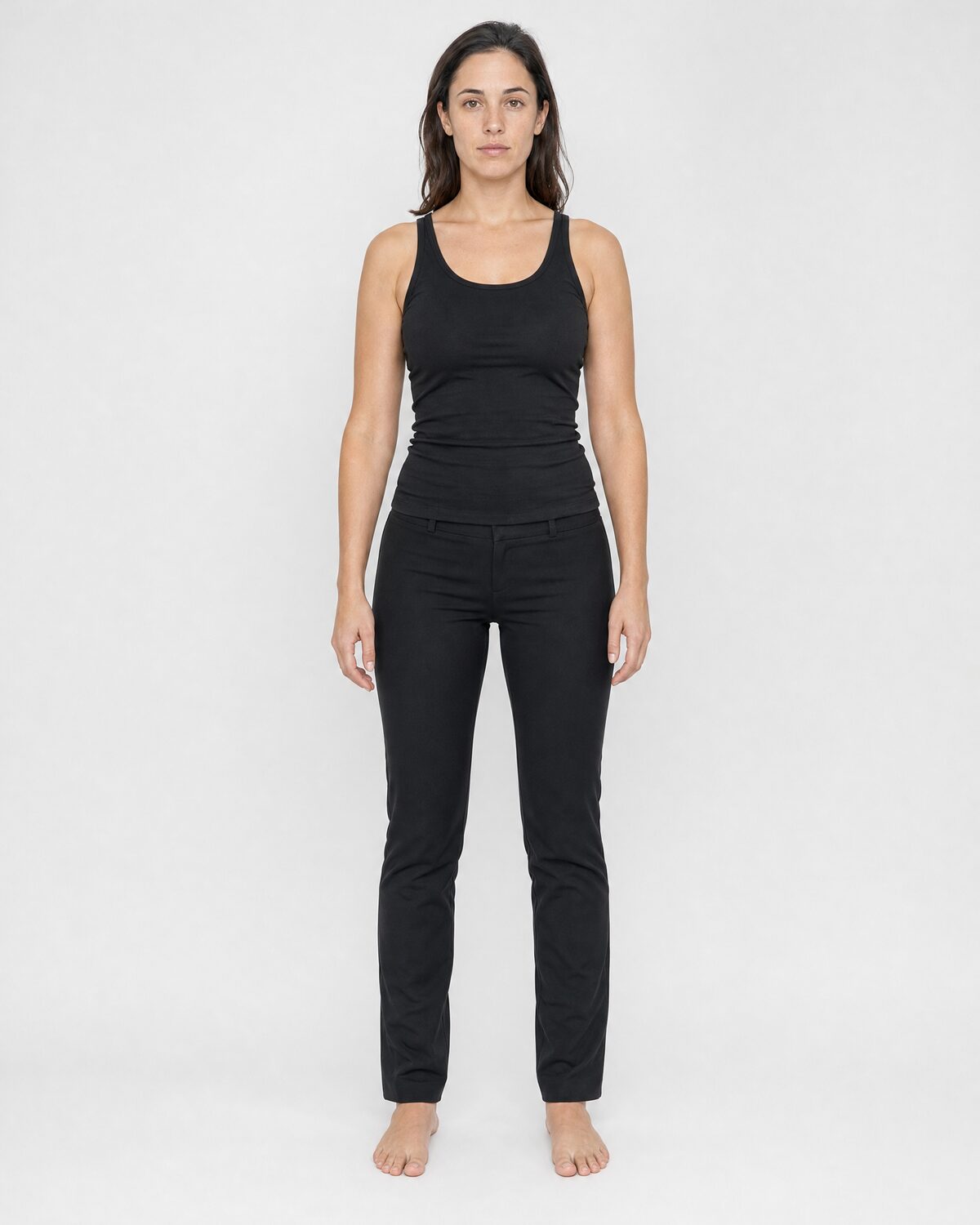
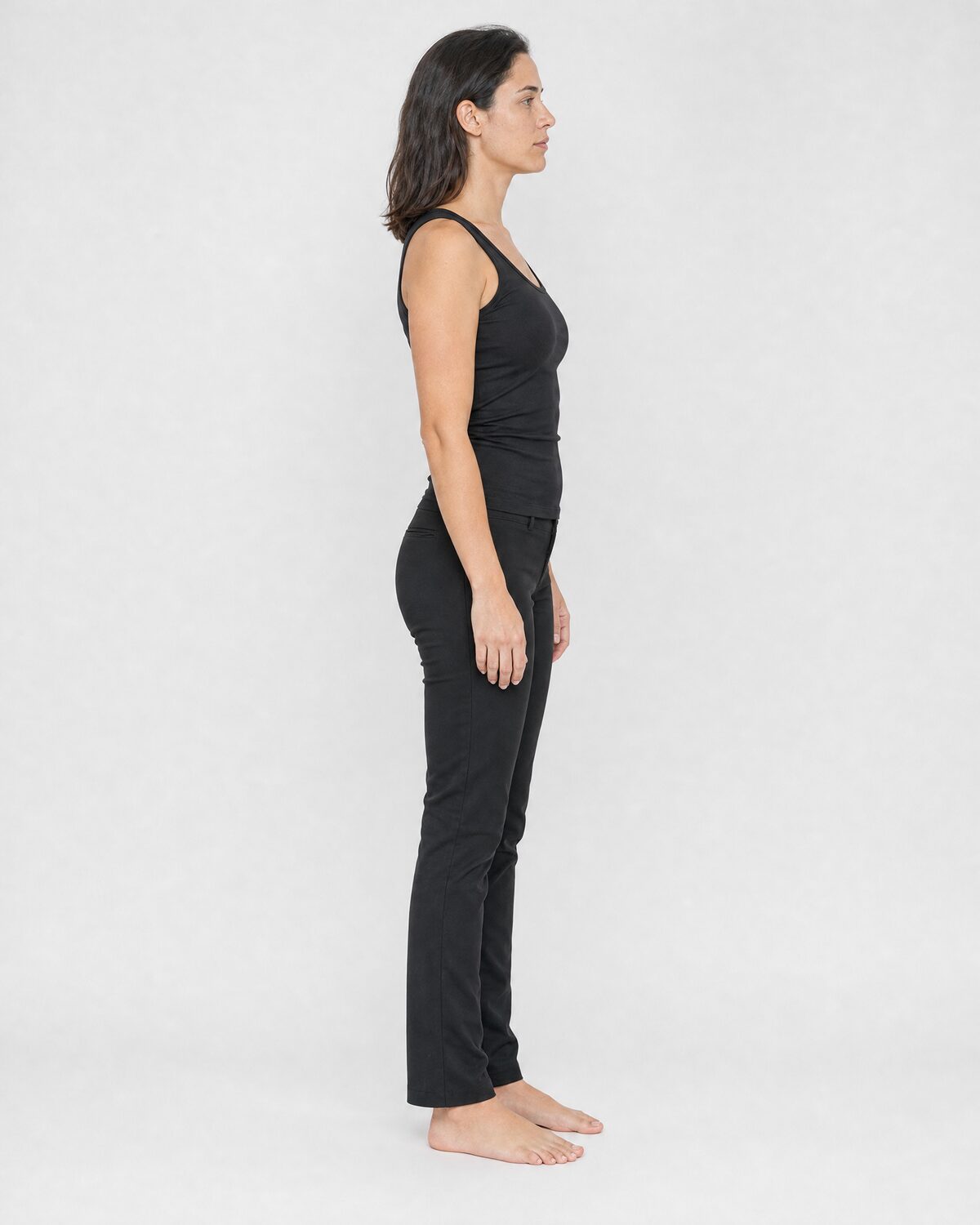
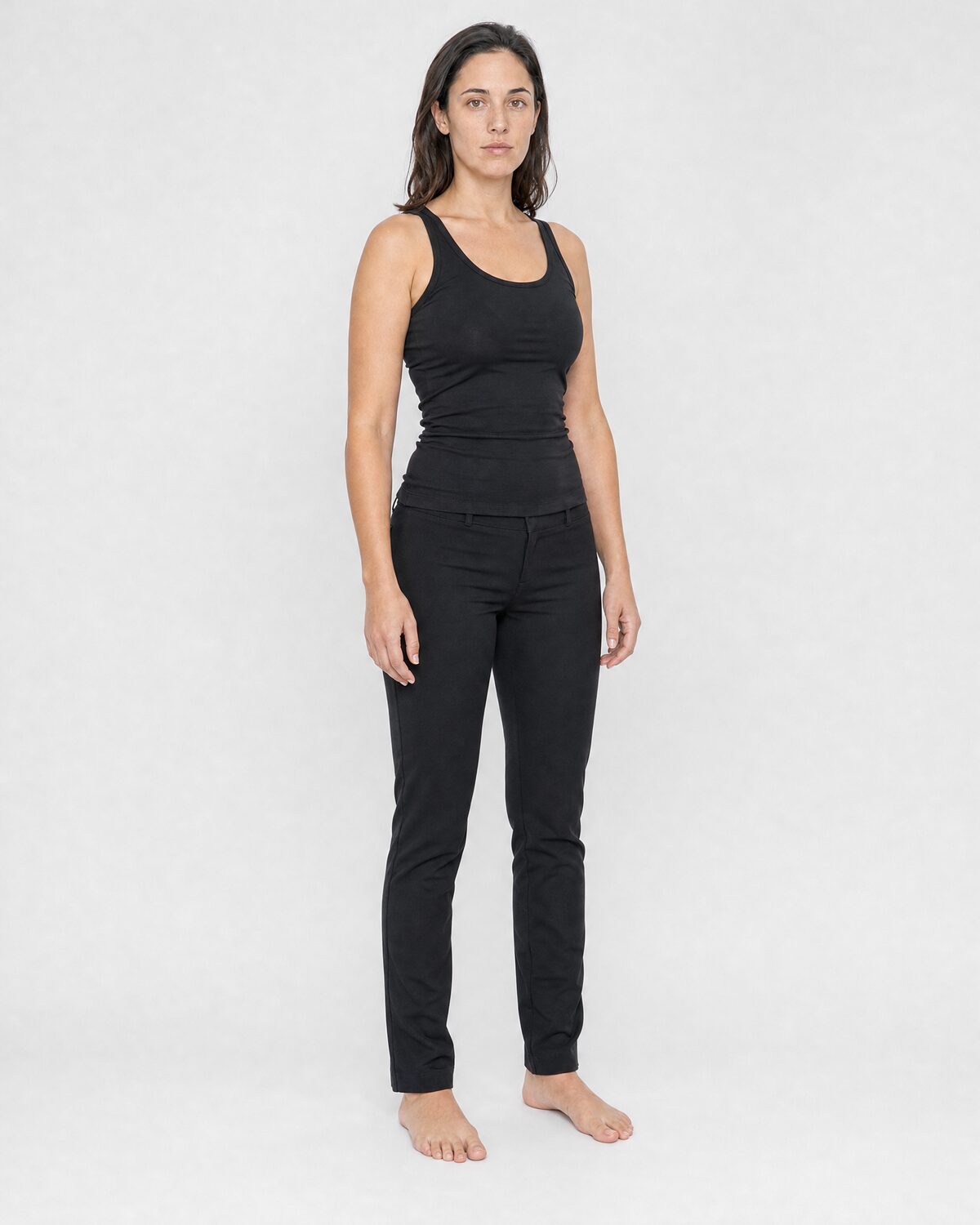
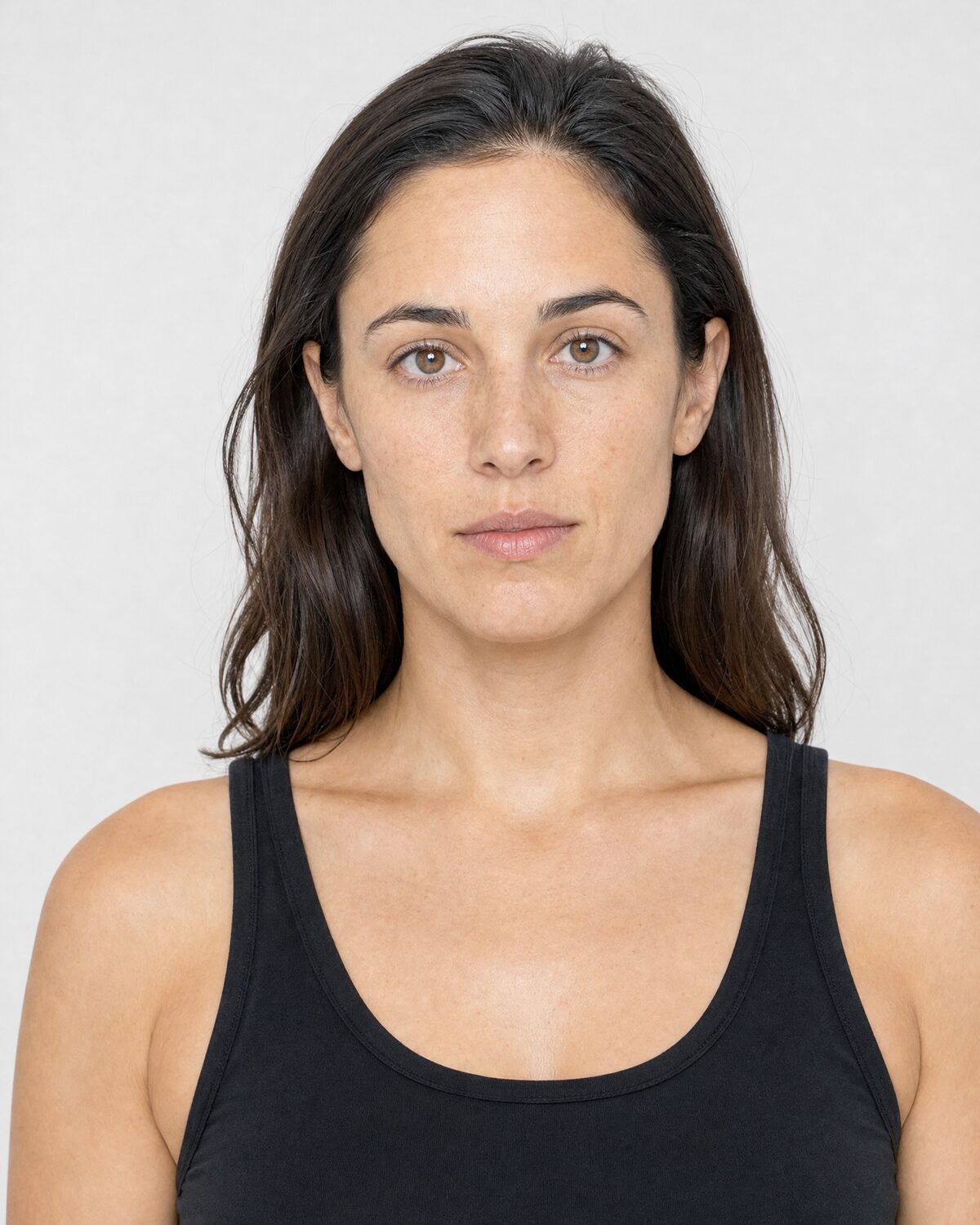
Fashion
Cut, fabric and fit, from every side. The garment from four angles, the model from three, each with a close-up.
Open the fashion guide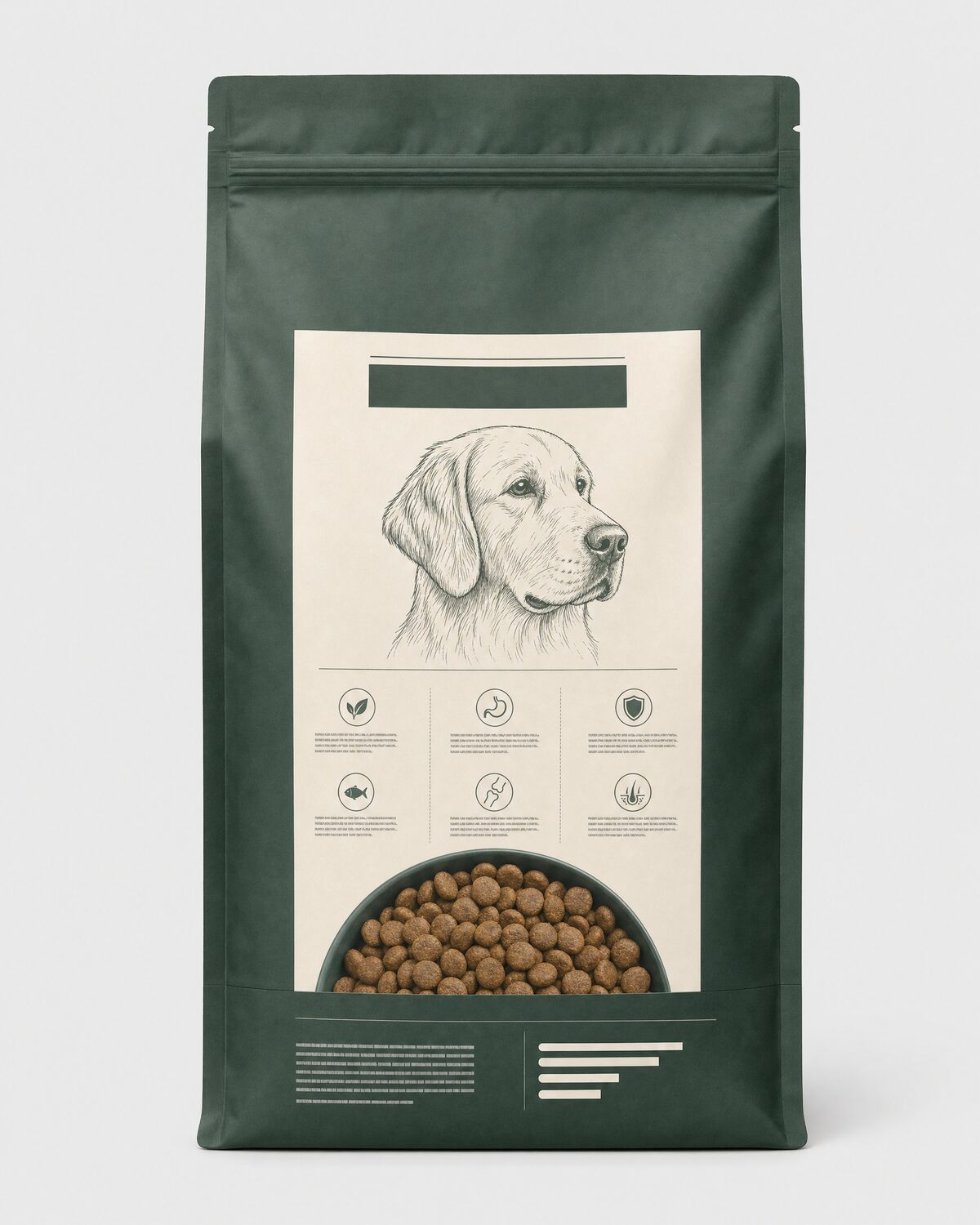
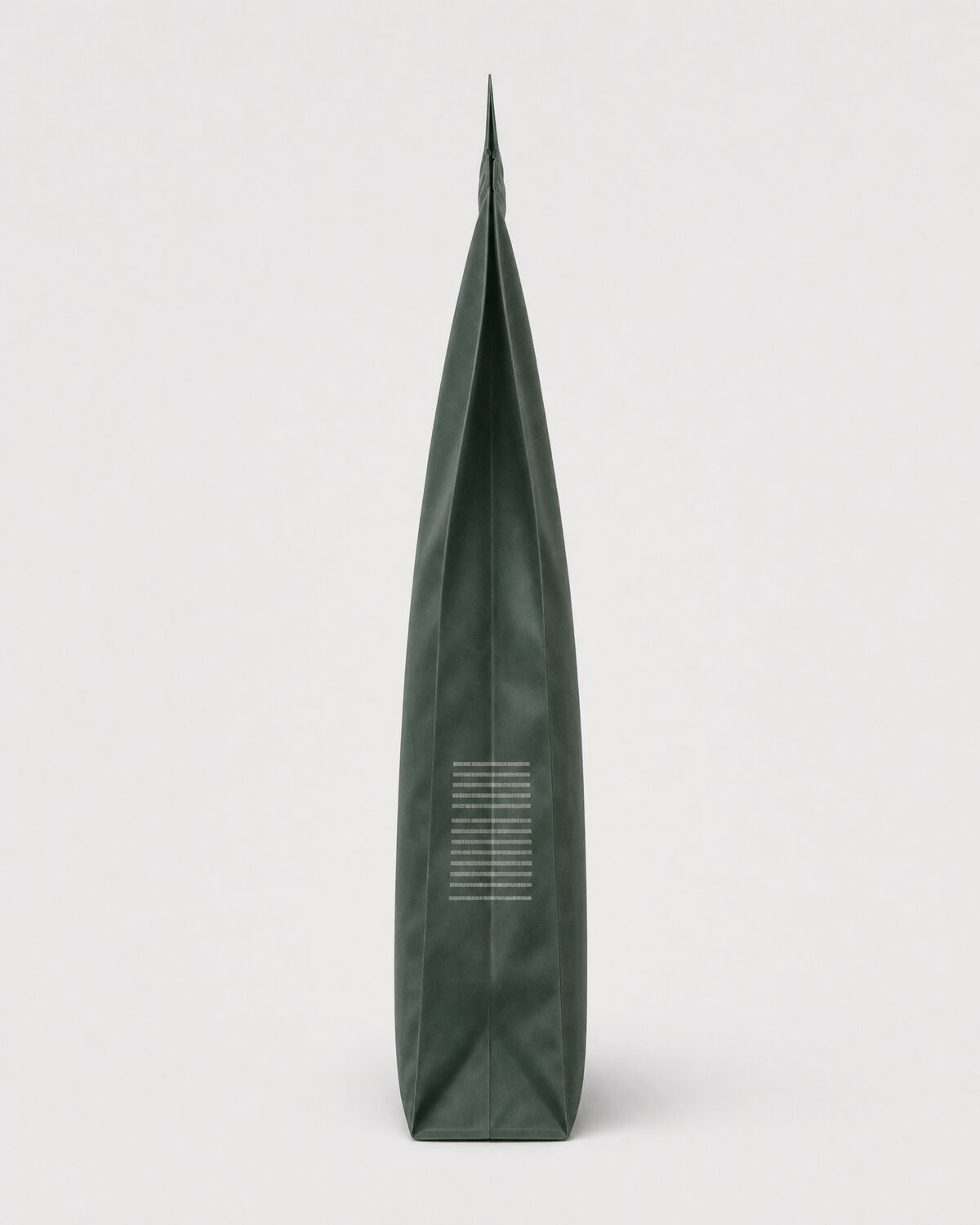
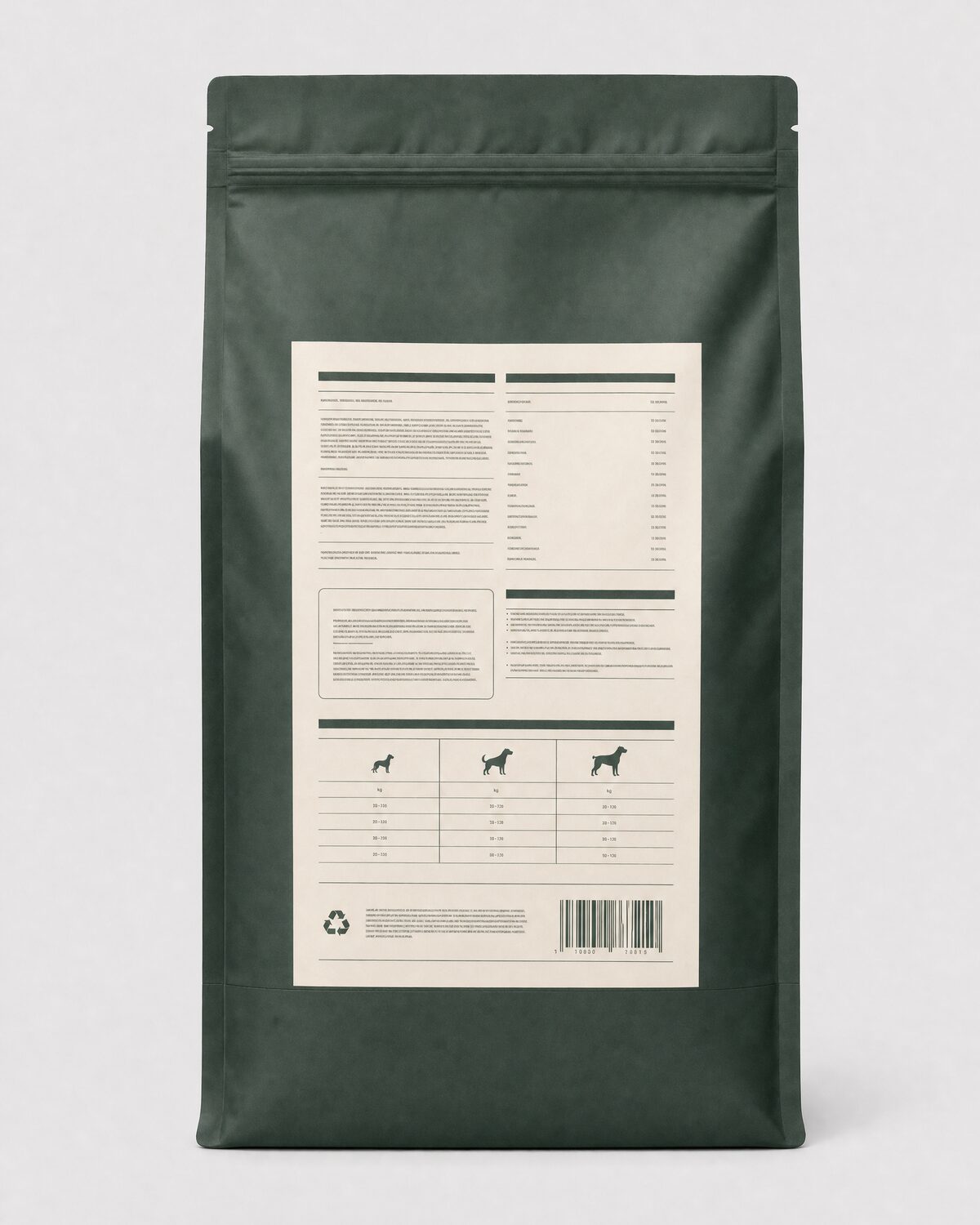
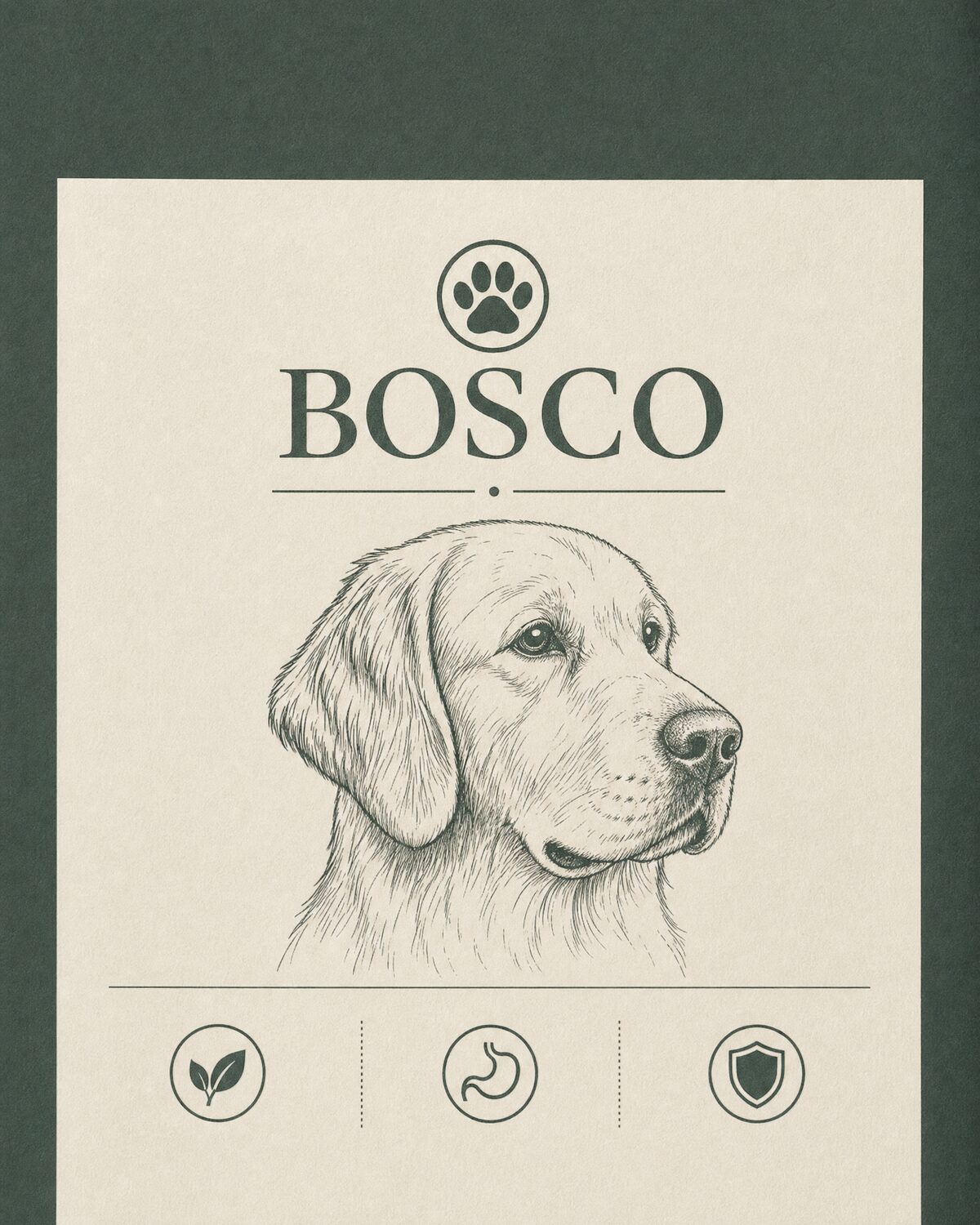
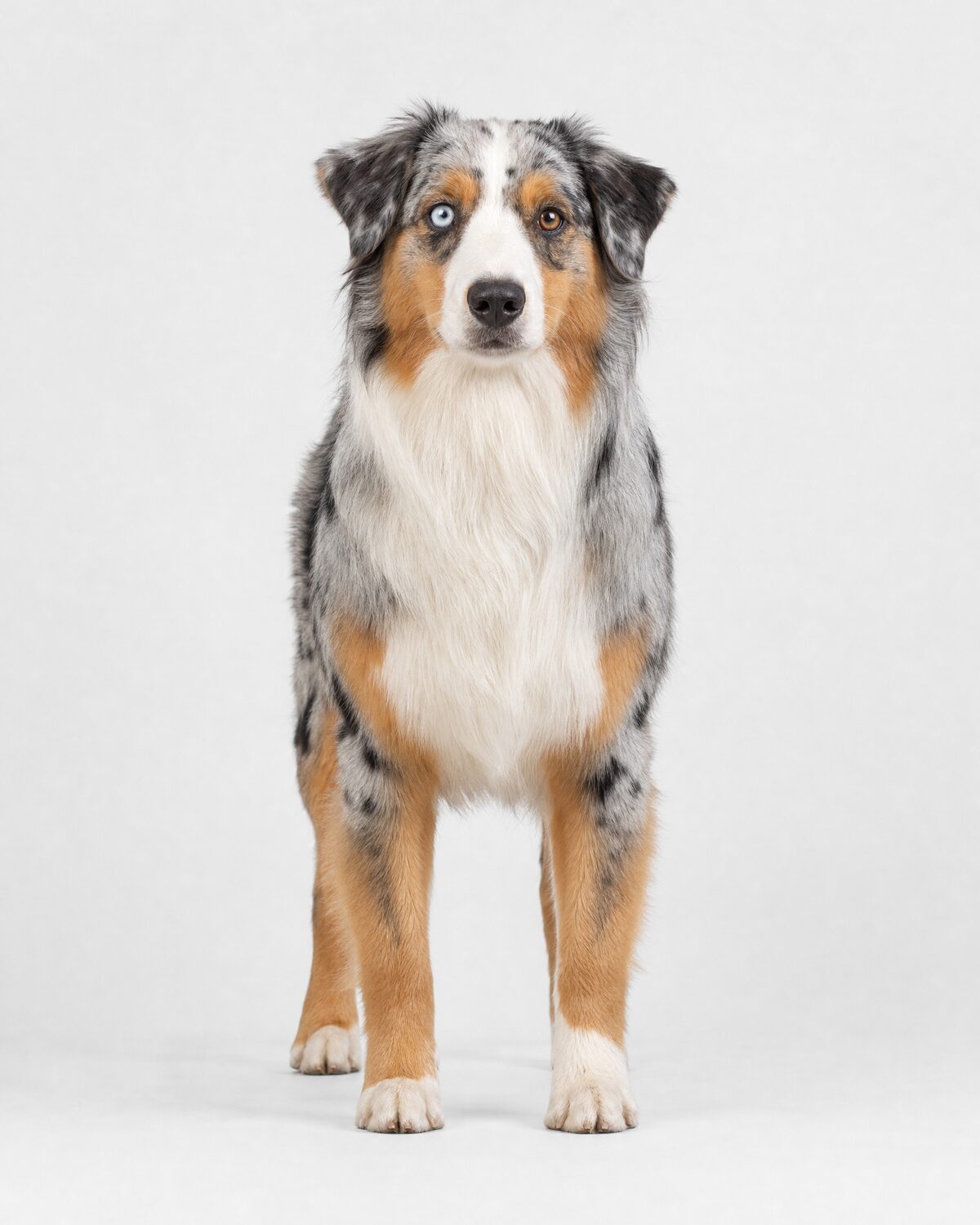
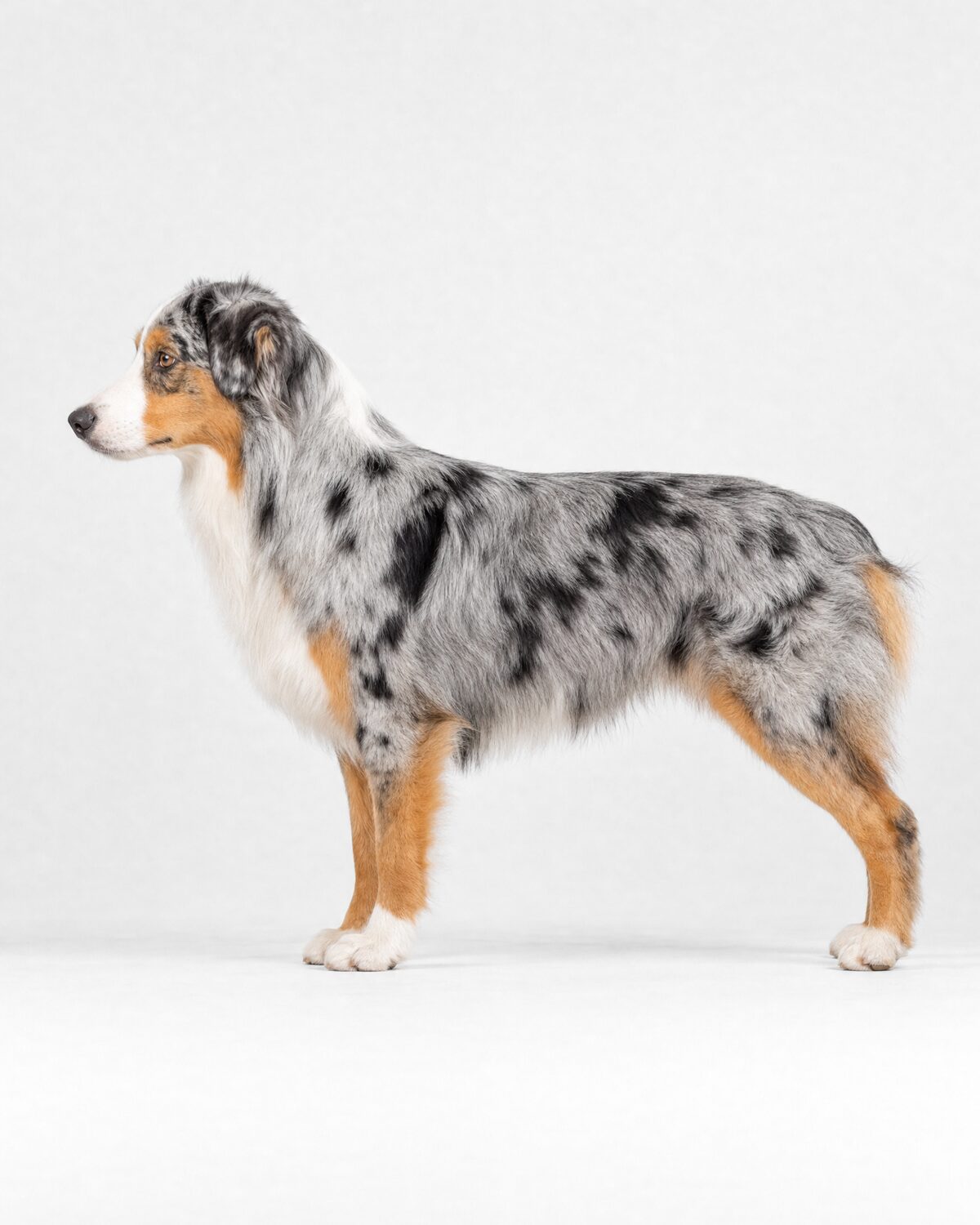
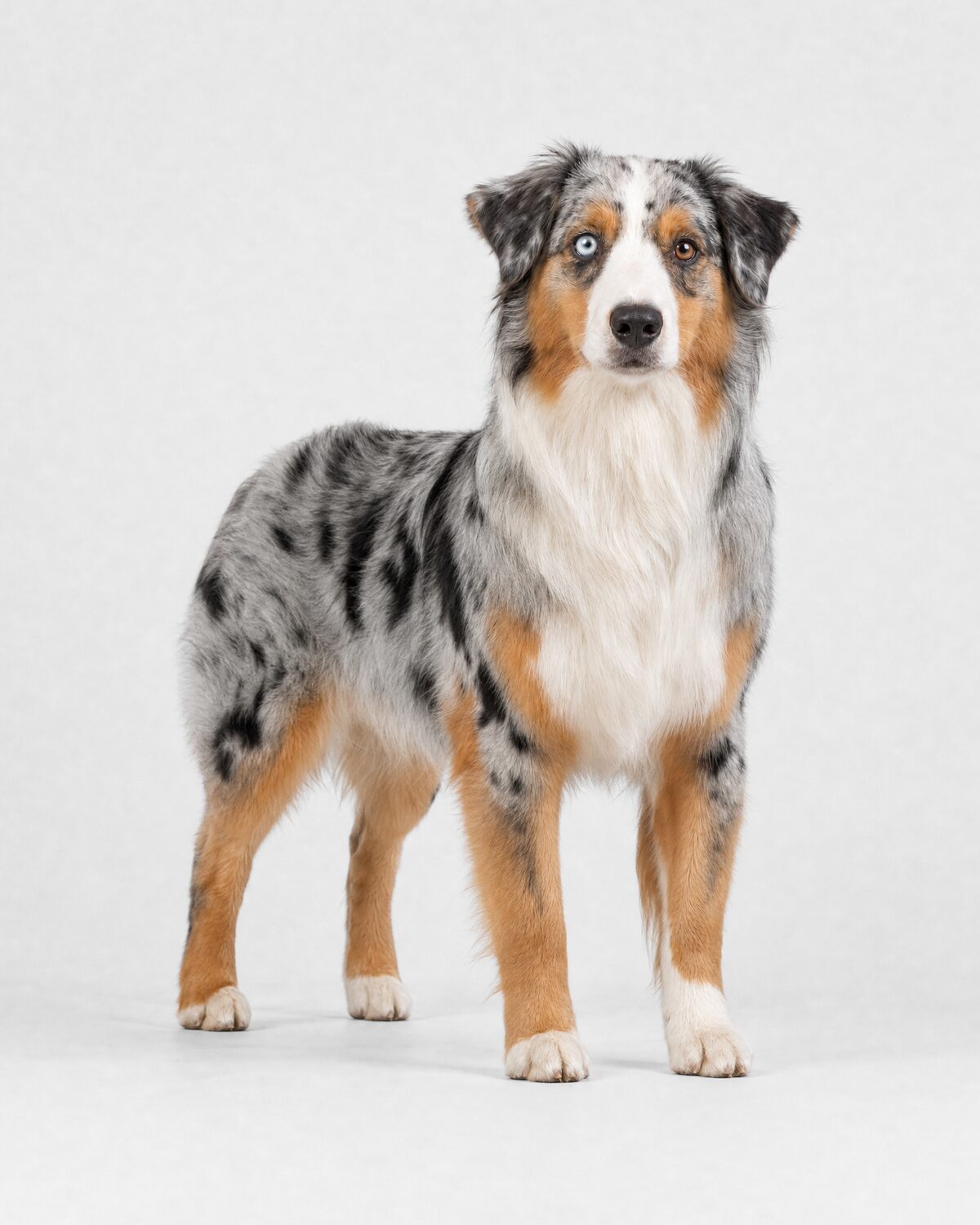
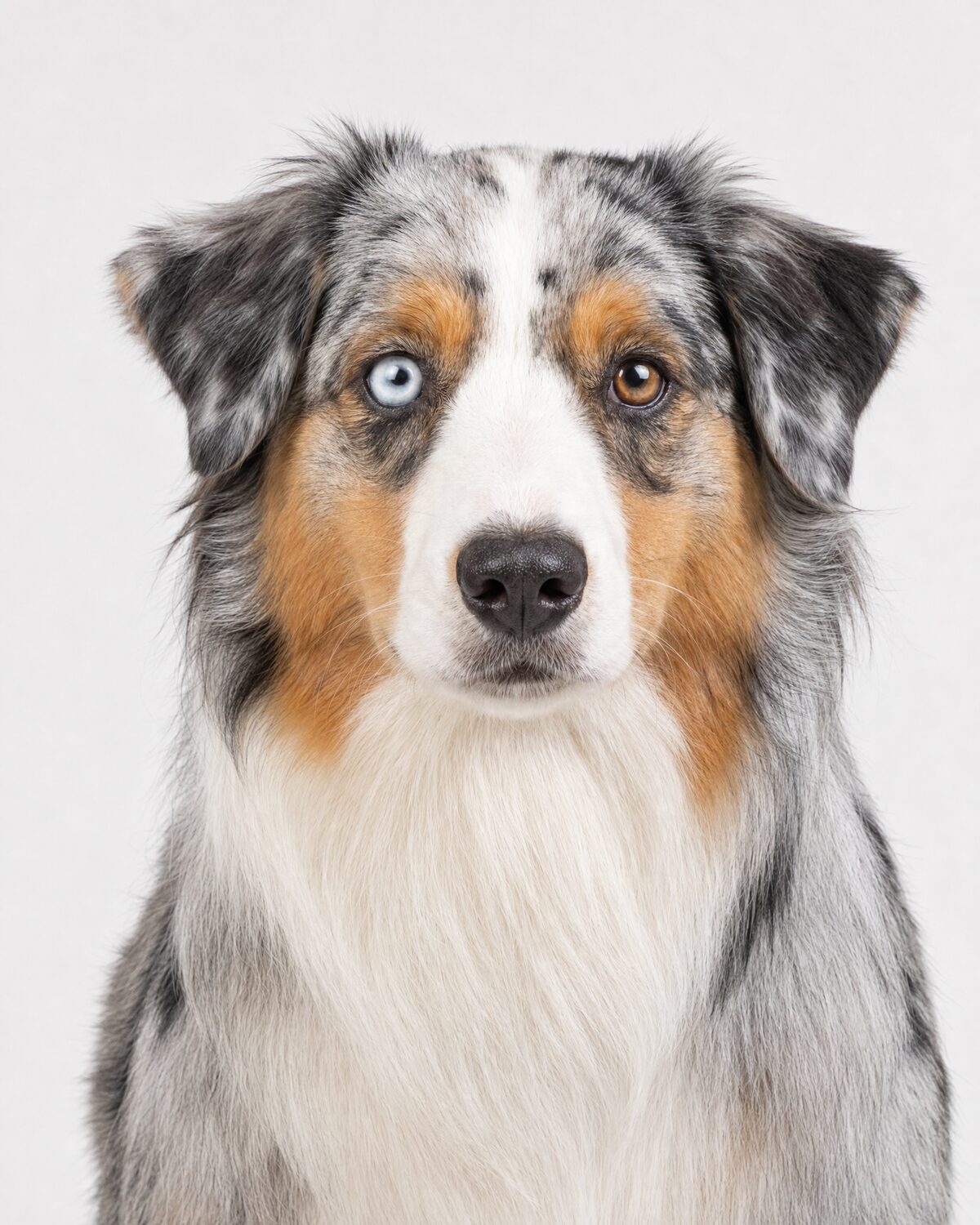
Pet
The product, and the pet, from every side. The product from four angles, the pet from three, each with a close-up.
Open the pet guide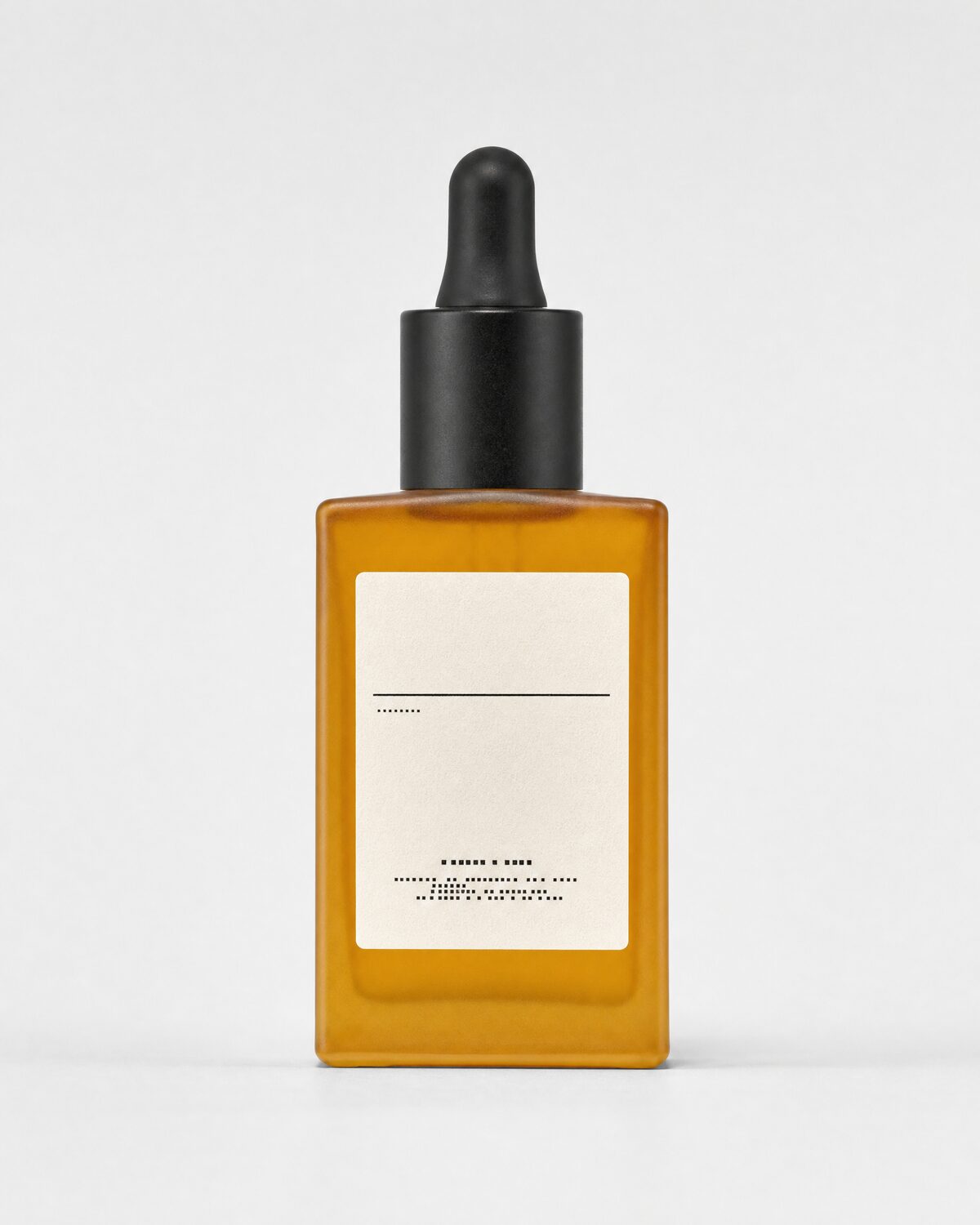
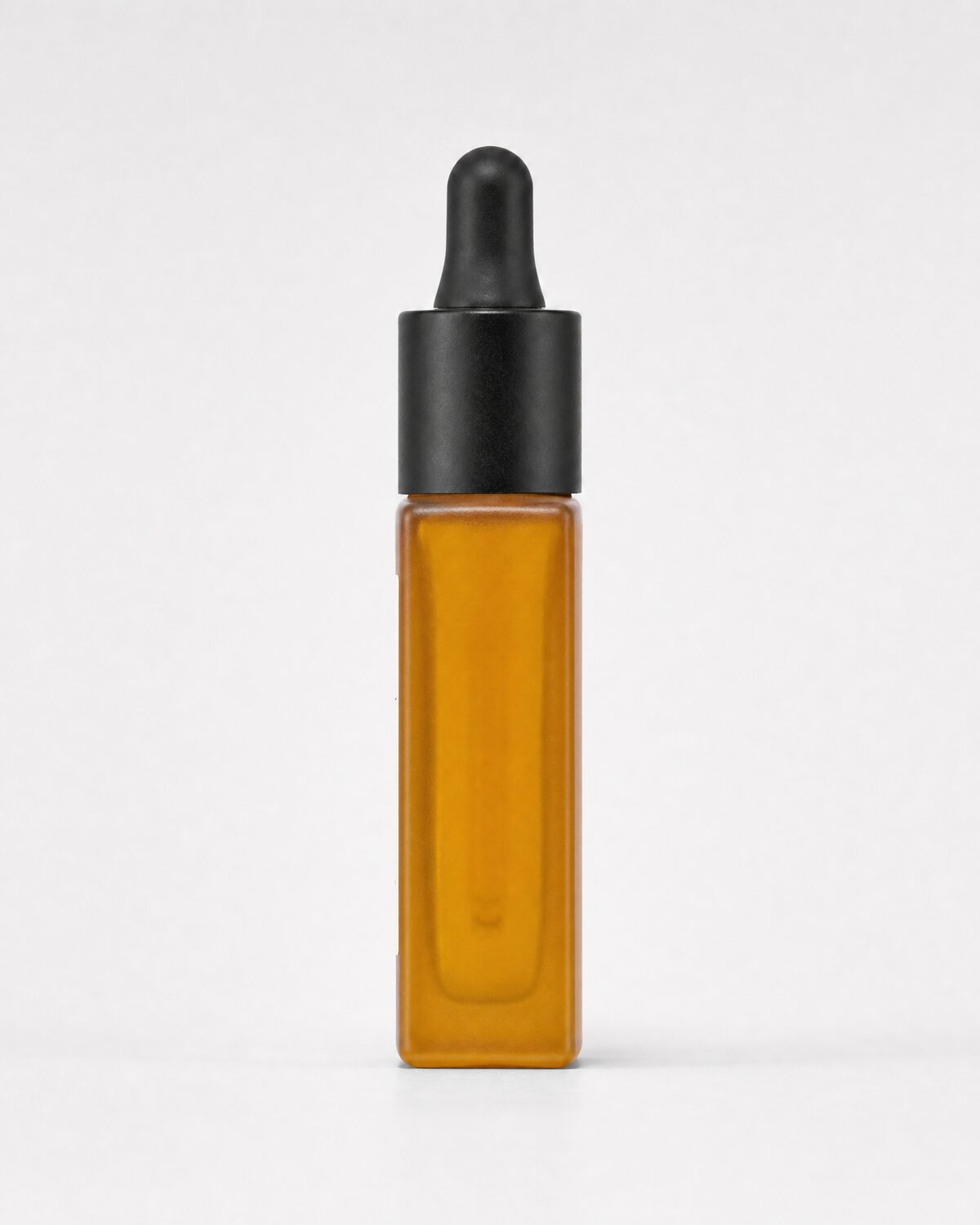
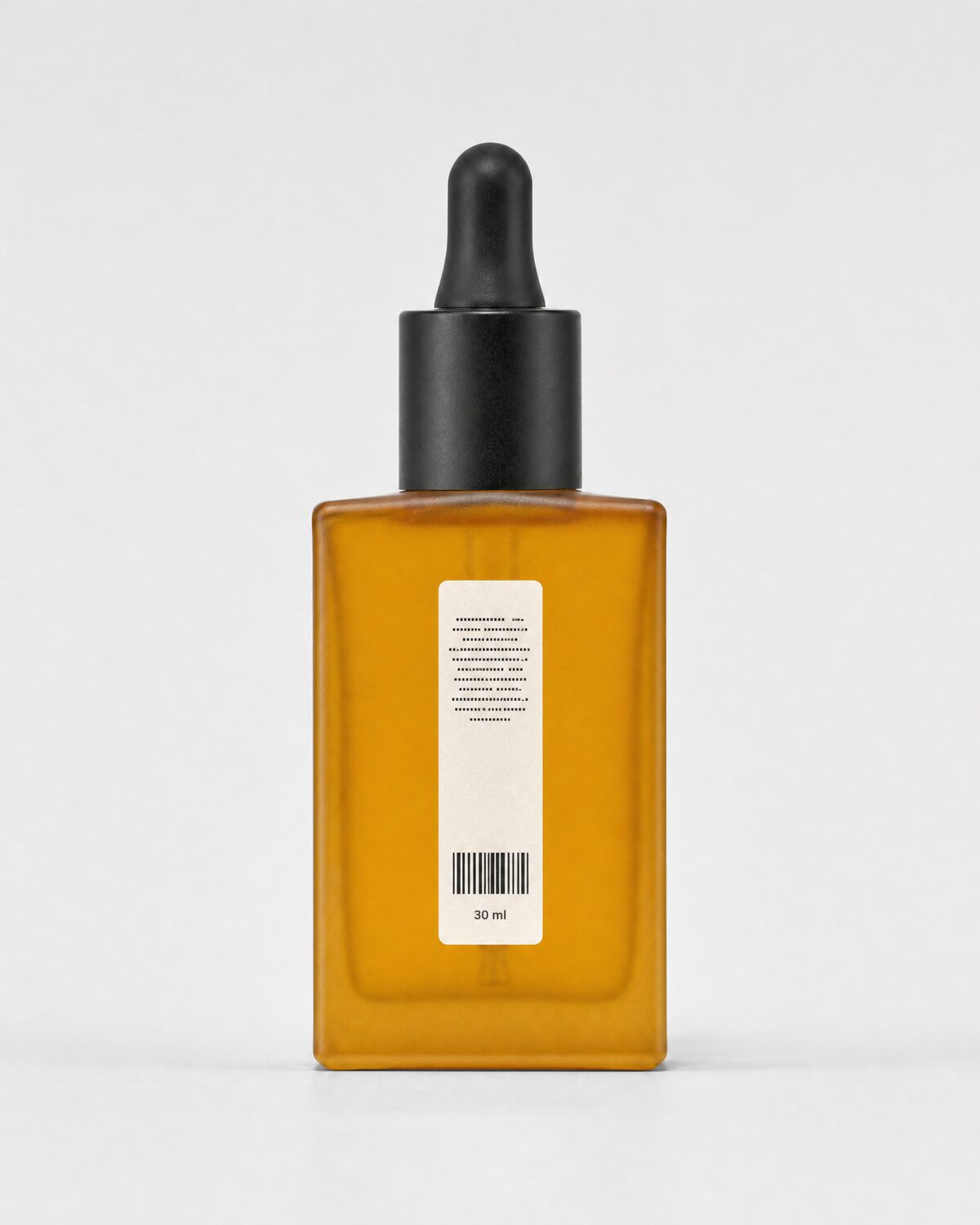
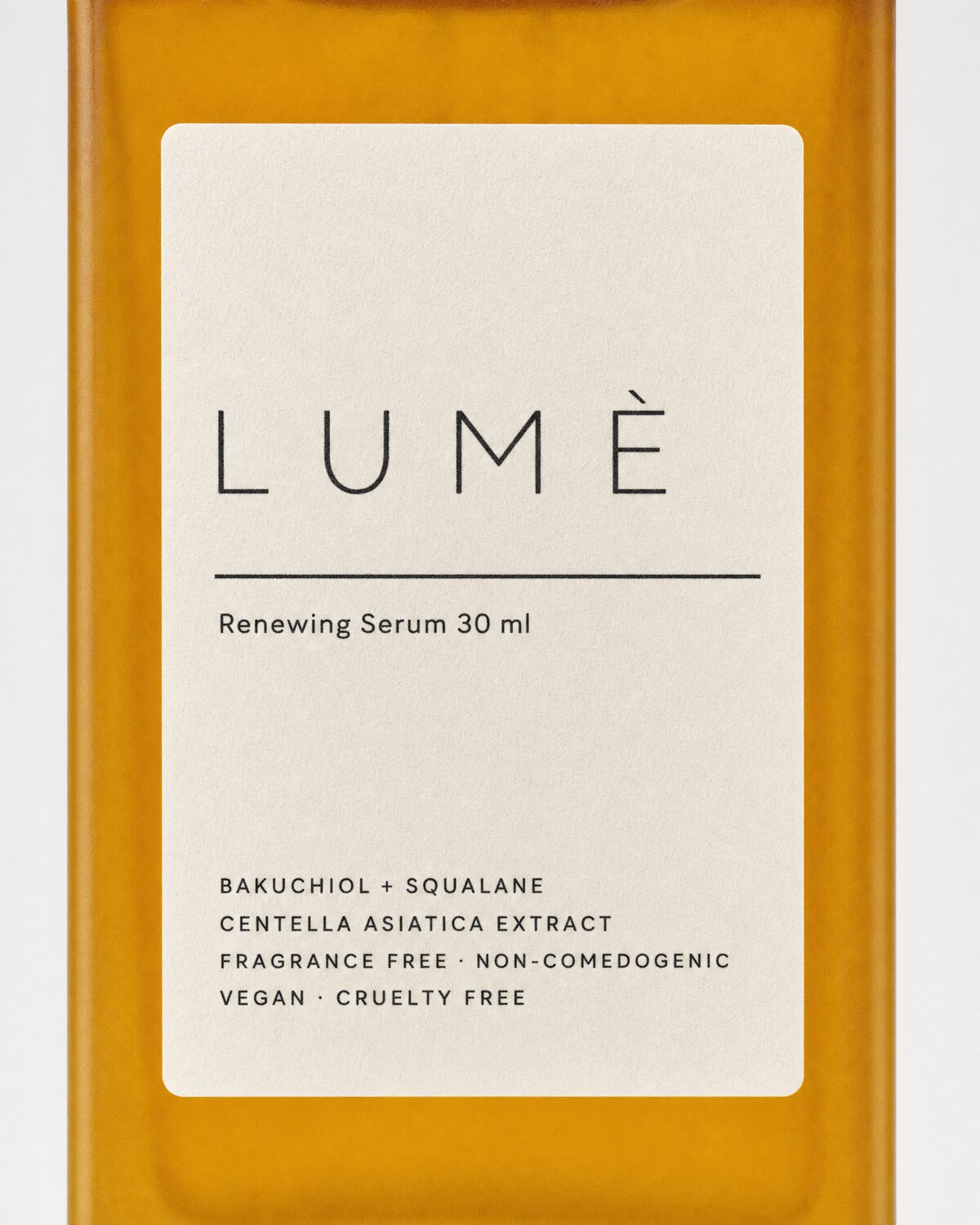
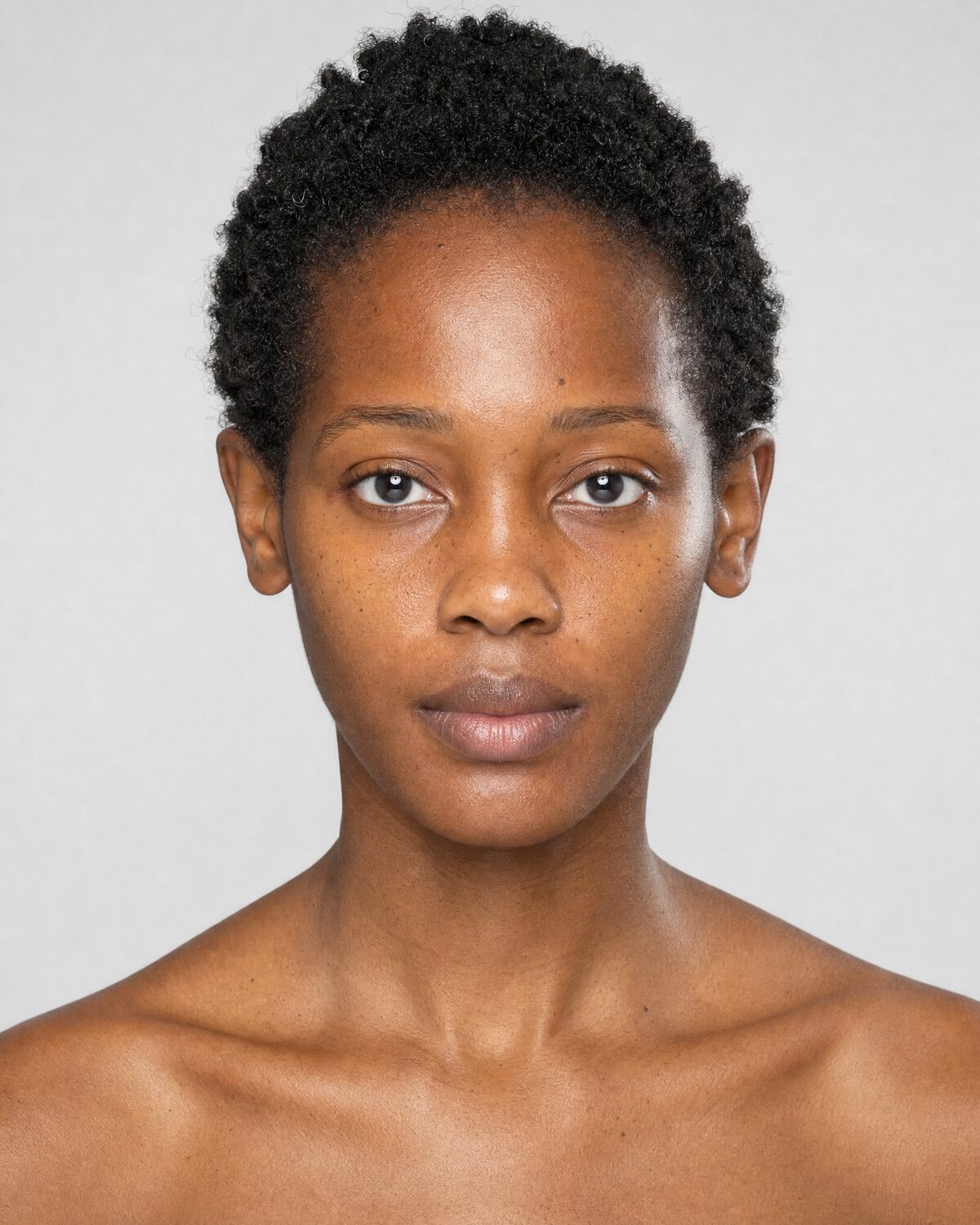
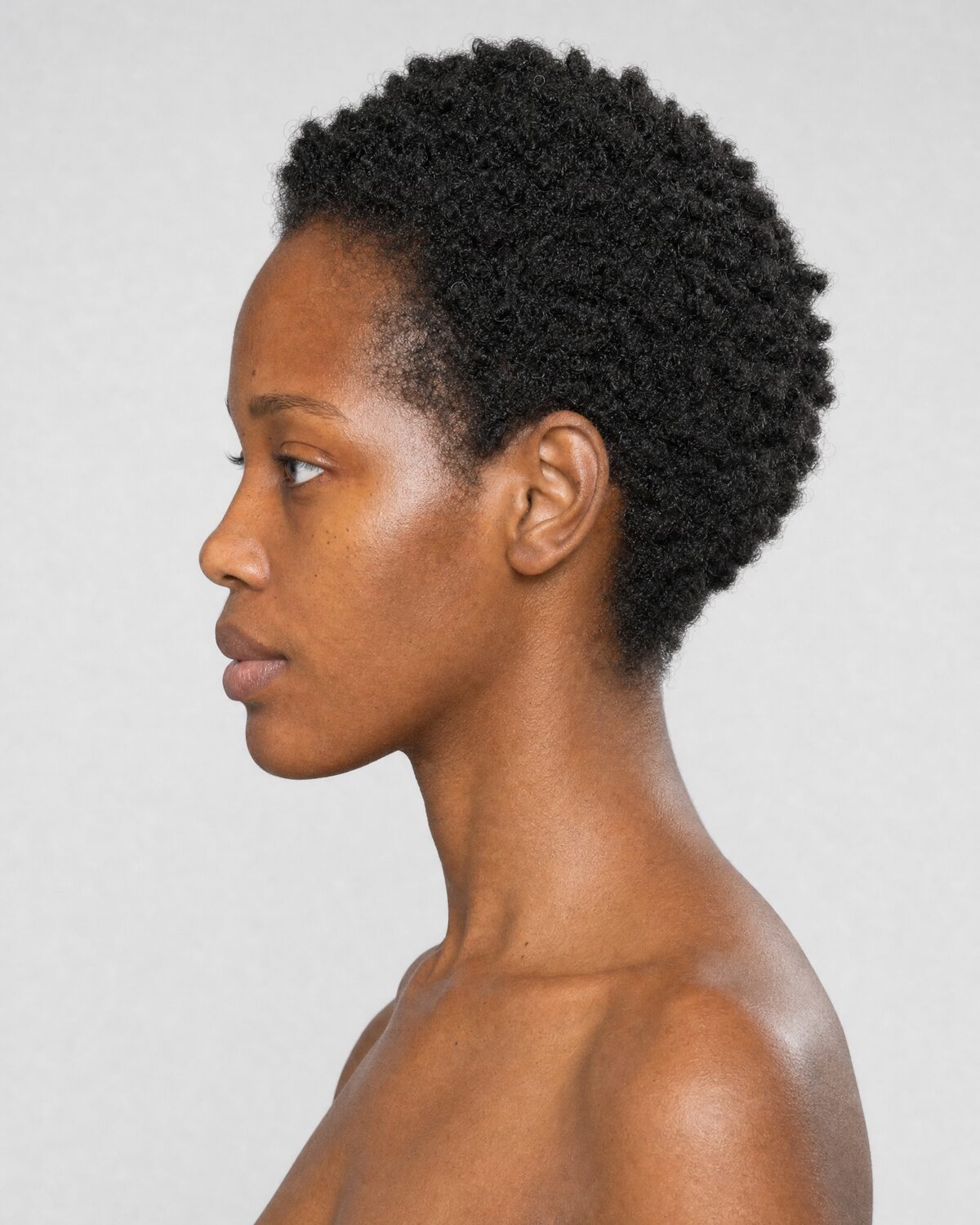
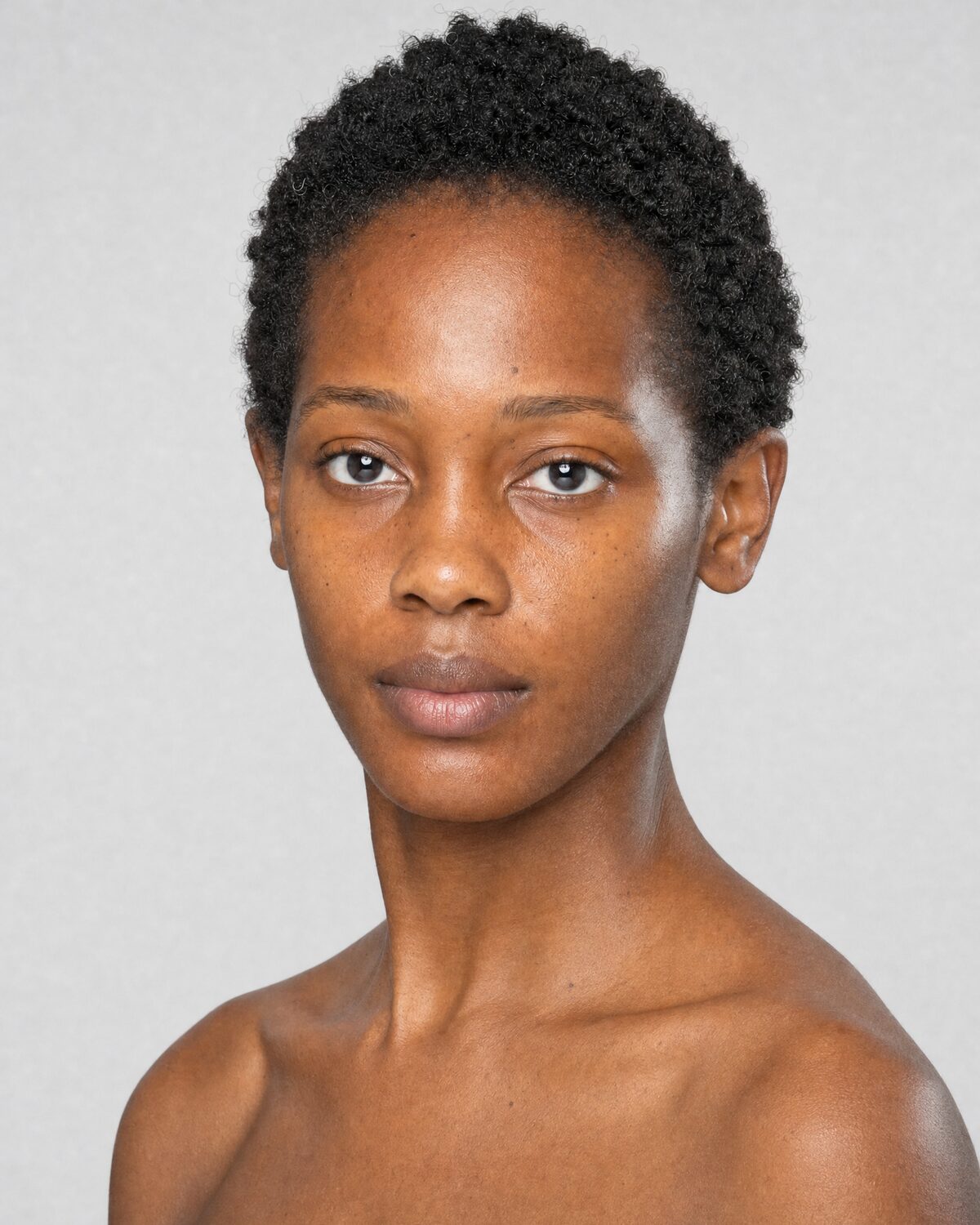
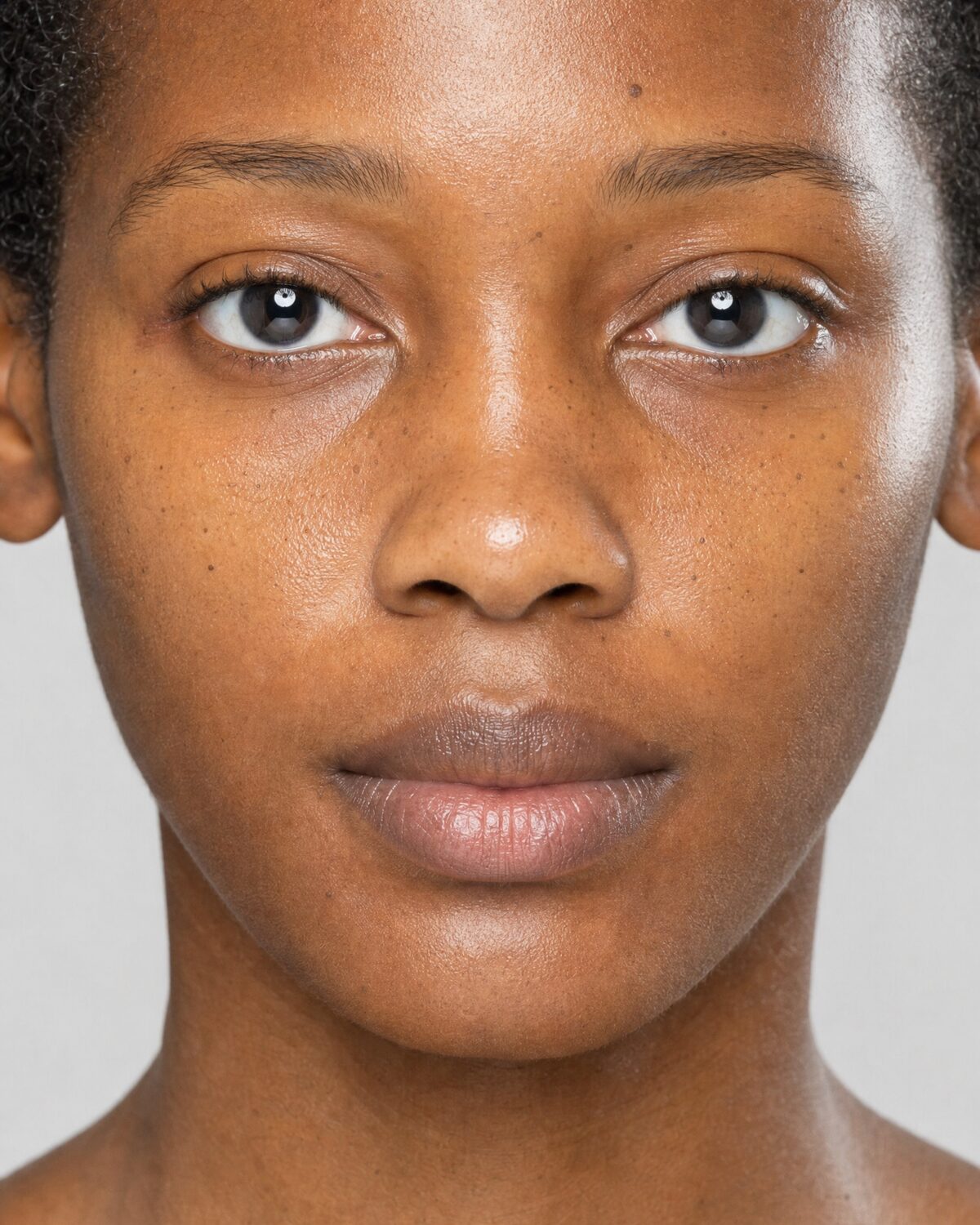
Beauty
The label exact, the skin real. The product from four angles, the face from three, each with a close-up.
Open the beauty guide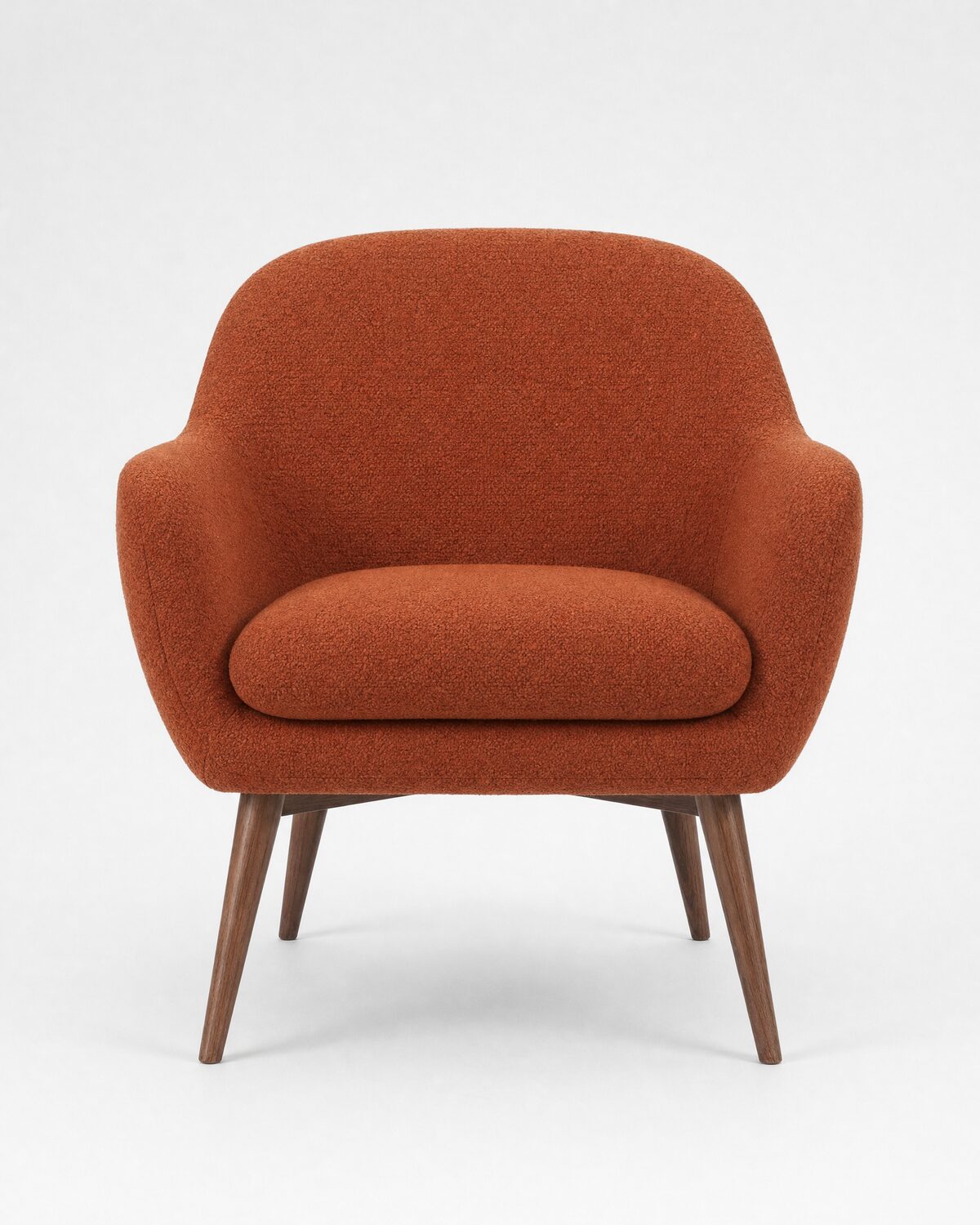
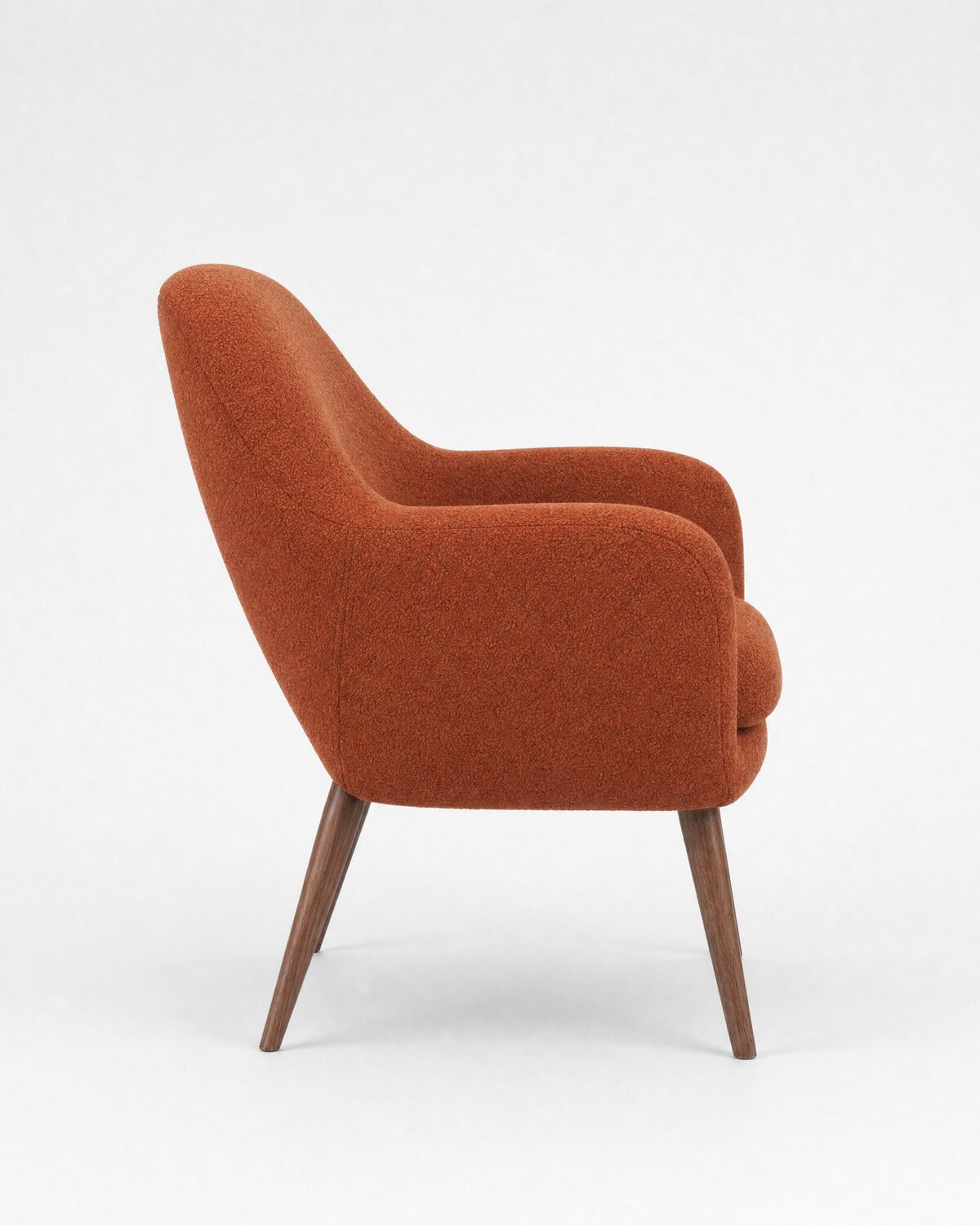
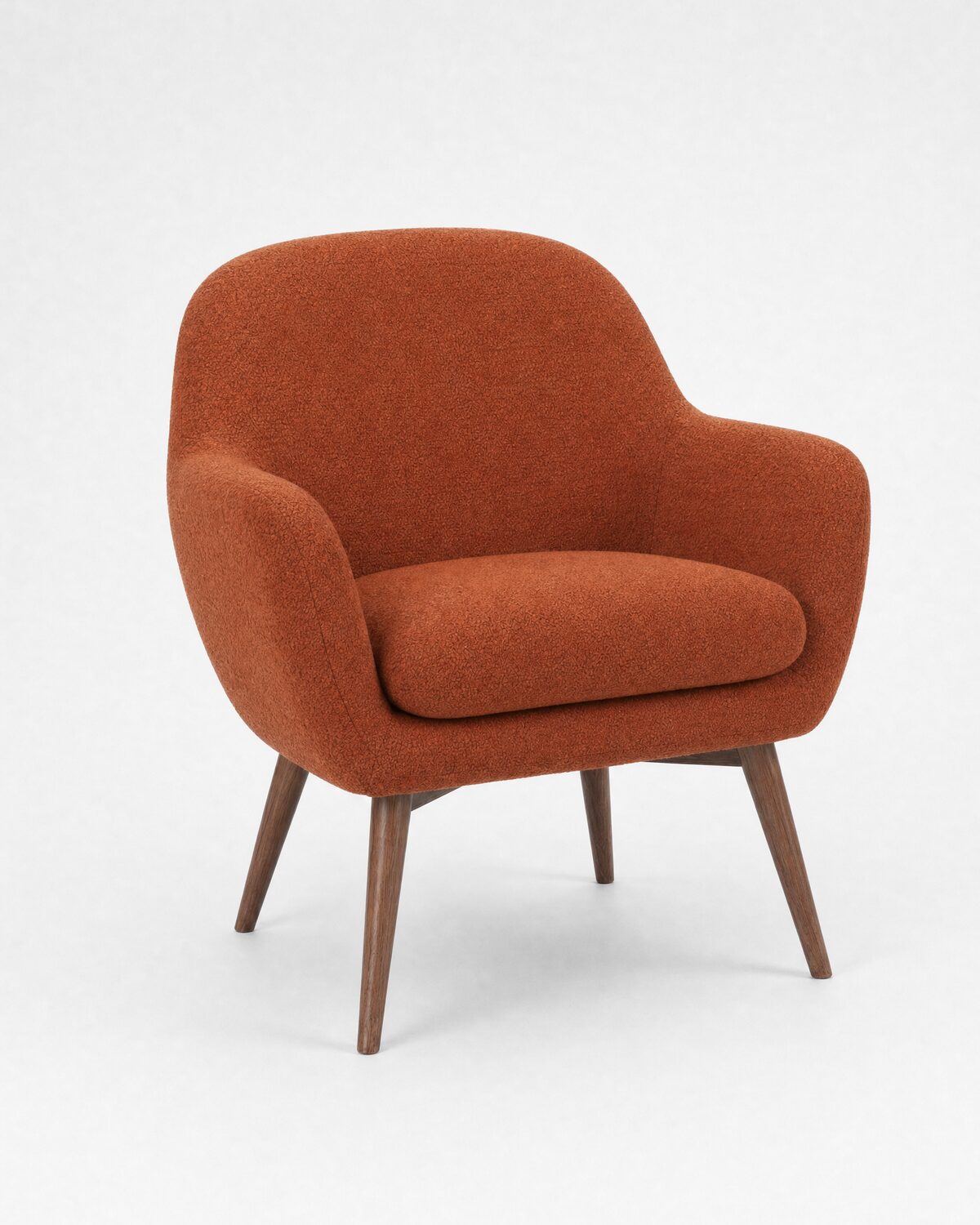
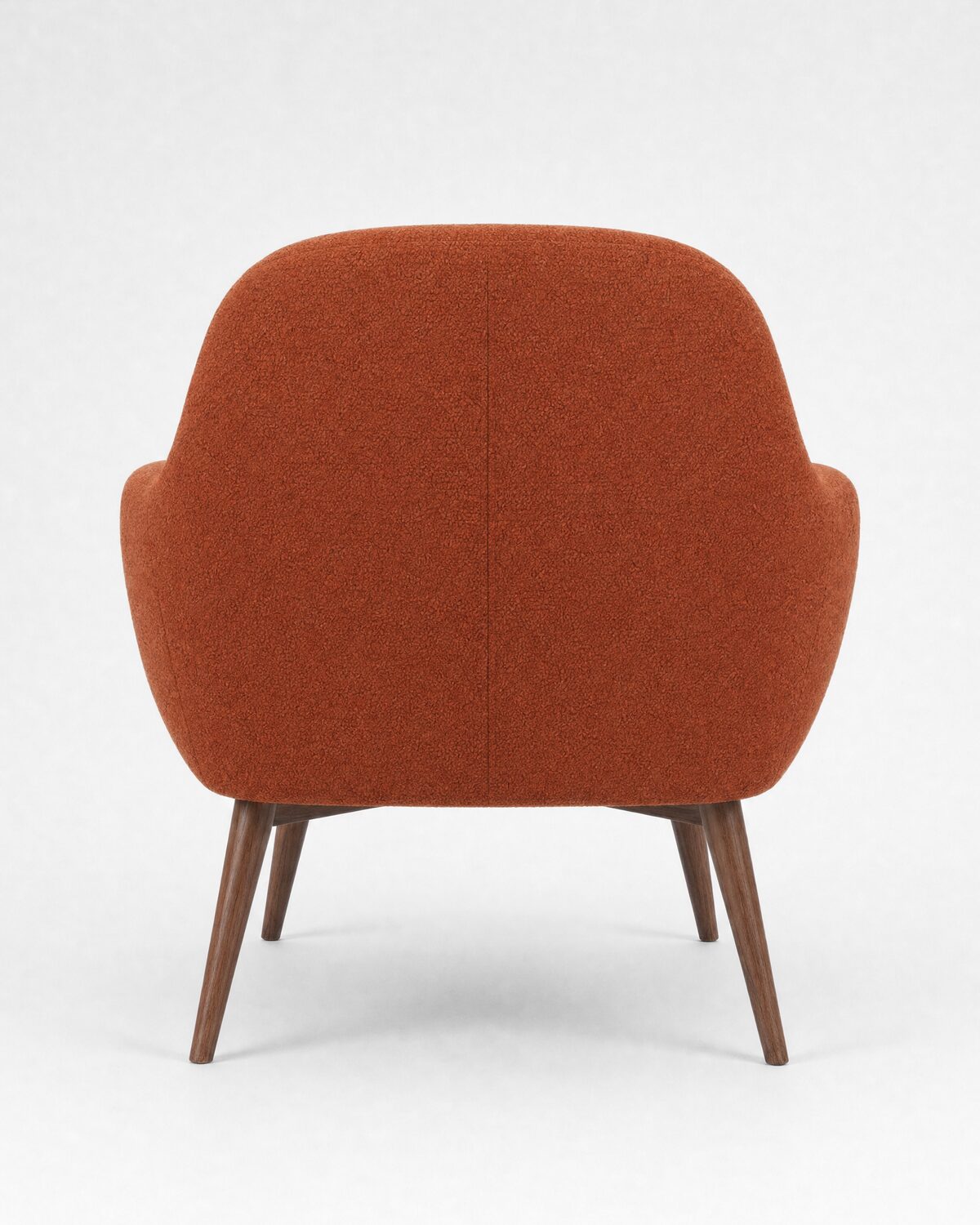
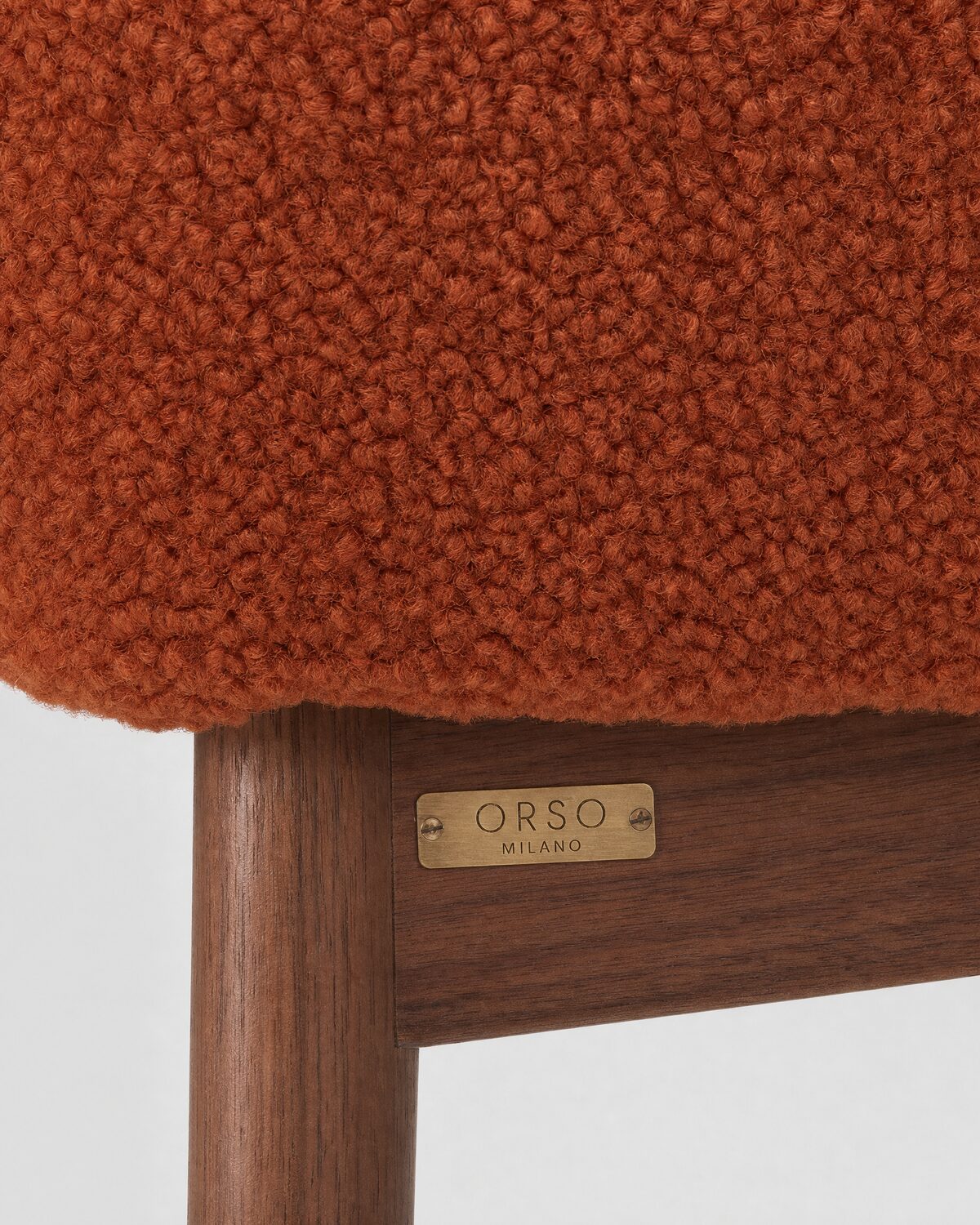
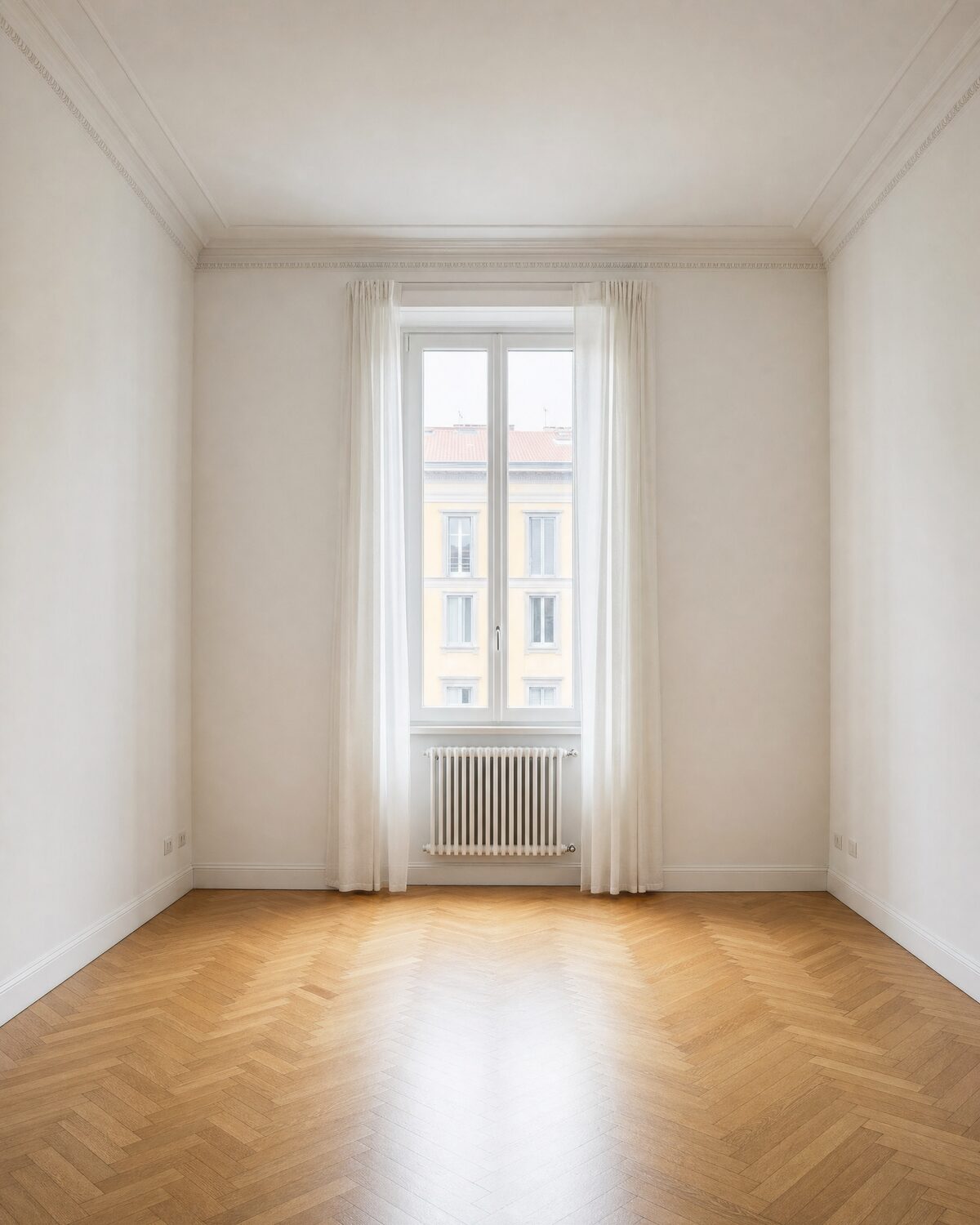
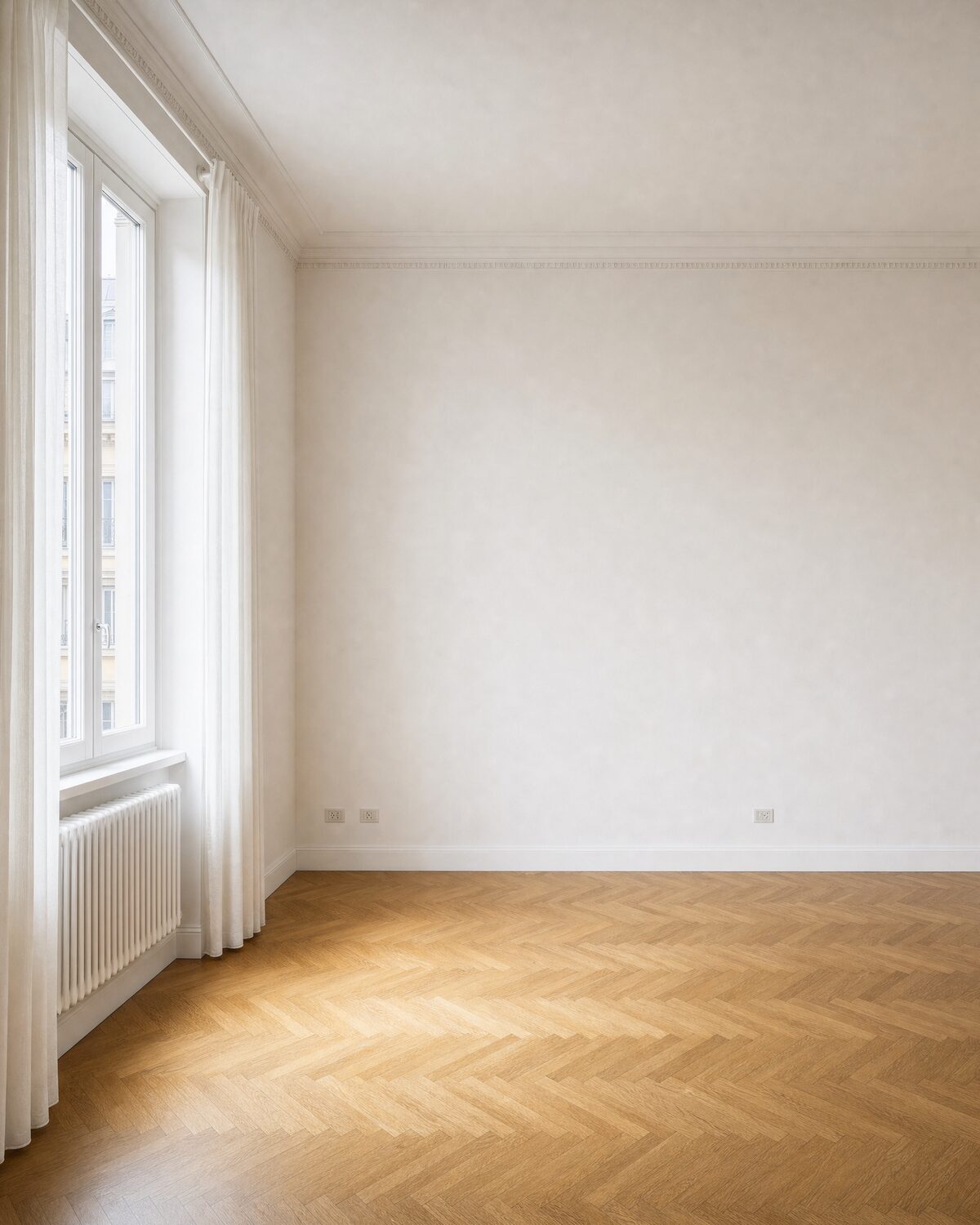
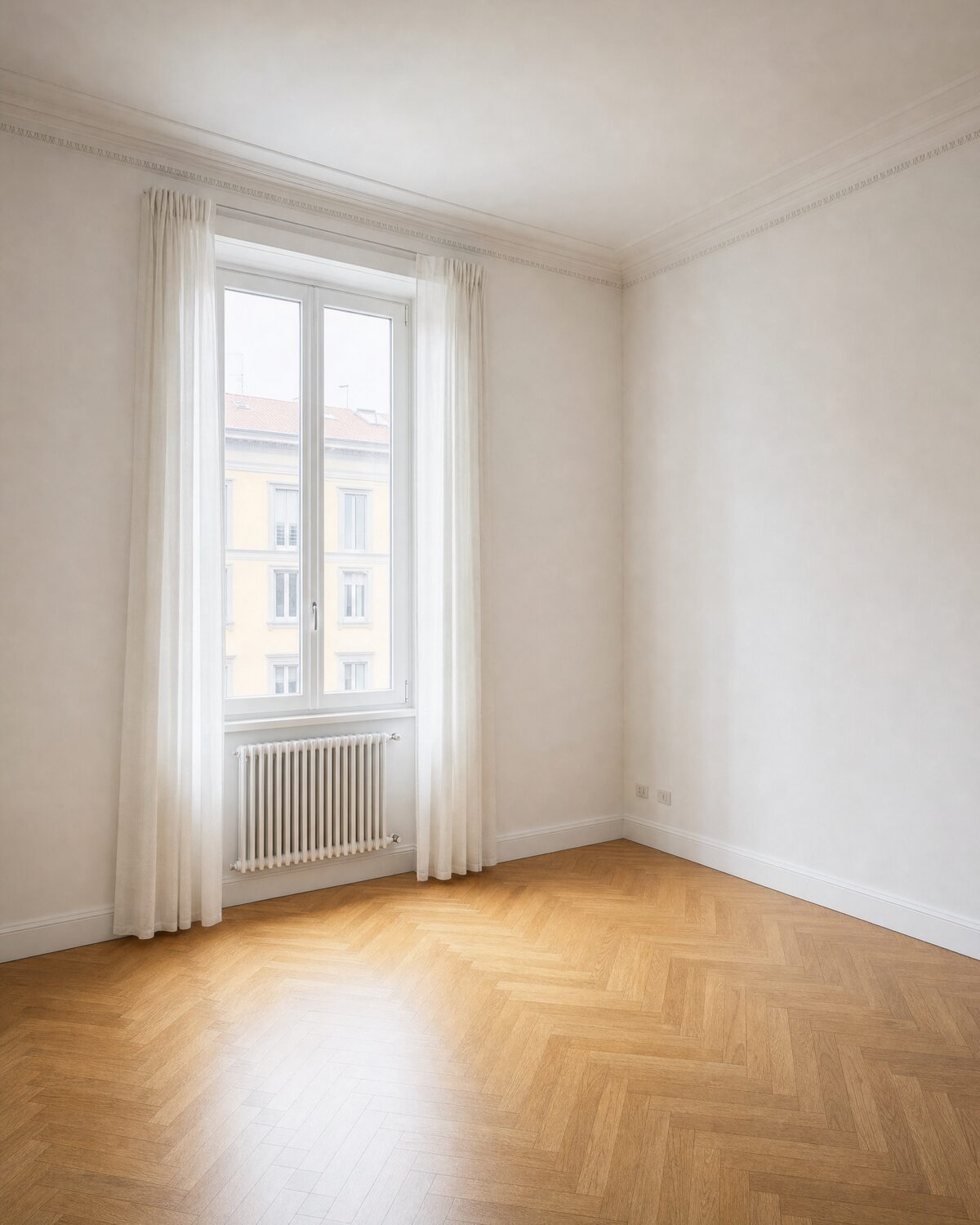
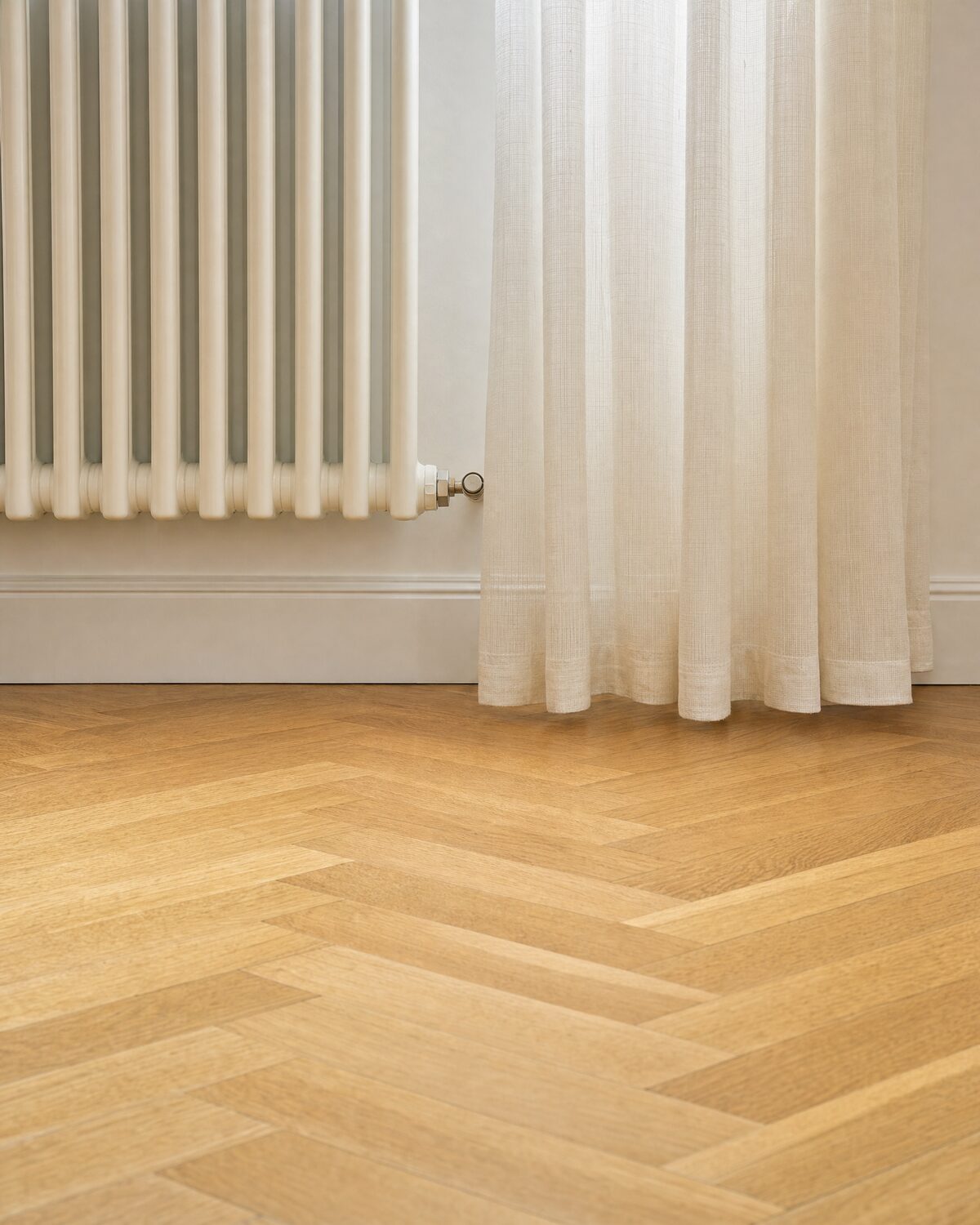
Design & Furniture
The piece and the room, at true scale. The piece from four angles, the space from three, each with a close-up.
Open the design & furniture guideStudio basics
Eight rules for every reference.
A professional set is not required: a clean wall, a window or two softboxes and a recent camera or phone are enough if these hold.
Light
Large, soft, even light from the front and both sides. No hard shadows, no blown highlights, no mixed daylight and tungsten.
Background
Seamless light grey or white, the same for every shot. A plain wall works if it is clean and evenly lit.
Framing
The whole product or person in frame, with margin on every side. Nothing cropped: what is cut off has to be invented.
Focus
Sharp from edge to edge. Close the aperture (f/8 to f/11) so labels, seams and textures are all readable.
Colour
Neutral white balance and true-to-life colour. Add one frame with a colour card next to the product if you can.
Close-ups
Logos, labels, engravings, hardware and fabric shot macro, flat to the camera and without glare. Fine detail is the hardest thing to reproduce, so we need it in full.
Every variant
One set per colourway, size, shade or finish. We never derive one colour or finish from another.
Files
At least 3000 px on the long edge, JPG or PNG, straight out of the camera. No filters, no retouching, no compression.
What to avoid
- Cropped edges, cut-off feet or a missing cap
- Shot from above with a wide-angle lens, so proportions bend
- Reflections of the room on glass, metal or lacquer
- Coloured walls or mixed light that tint the product
- Filters, beauty retouching or background removal done before sending
- One photo standing in for several colourways or sizes
Your references, our production
Turn your references into a season of campaigns.
Send us your site and we’ll set up a call: what your photos can become, AI commercials, ads, editorials and product content, art-directed by our team, and the cost breakdown.
Shooting references, answered
How should I photograph products for AI production?
Photograph each product from four angles, front, side, three-quarter and back, plus a close-up of its logo, label or texture, on a plain light-grey background with soft, even light, the whole product in frame and sharp from edge to edge. Synthetic Brain uses these references to keep the product exact in AI commercials, ads, editorials and product content.
How should I photograph a model, a pet or a room as a reference?
Front, side and three-quarter plus a close-up. A model full body in fitted, neutral clothing; a pet at its eye level, standing square; a face bare and level for beauty; a room with the camera level at about 1.4 metres. Even light, no filters, nothing cropped.
Why front, side, three-quarter and back views?
Each angle carries information the others hide. The front fixes the design and the label, the side gives depth and proportions, the three-quarter shows the volume the way most campaign shots see it, and for products the back holds seams, closures and back labels. Together they let our art directors keep a product or a person exact from any angle in AI production.
Do you need close-ups of logos and labels?
Yes. Logos, label typography, engravings, hardware and fabric weave are the details hardest to reproduce, so we need each one photographed macro, sharp, flat to the camera and without glare, next to the angle shots. Send the logo and label artwork as files too.
What technical specs should reference photos have?
At least 3000 px on the long edge, JPG or PNG, sharp from edge to edge, neutral white balance, no filters and no retouching. Use a plain light-grey or white background and soft, even light. Photos taken with a recent phone work if they follow these rules.
What happens after we send the photos?
Our team checks every reference and asks for any angle that is missing. Then we art-direct the work, AI commercials, ads, editorials or product content, and check every frame against your references so the product is exact. Start at synthetic-brain.com/inquiry.