
How Italian fashion and sneaker brands actually ran Black Friday 2025
We collected every ad nine Italian fashion and sneaker brands ran around Black Friday 2025, then classified how each video opened. 1,007 ads, 236.1M reach, and a market that almost all opens the same way.
What we found
- 0195%
Nearly every brand opens the same way
Of classified openings are aspirational in register, and 84% are either pure spectacle with no promise or a bare brand intro. Almost nobody opens with a claim, a question, or a problem.
- 0248×
The openings nobody uses are the ones that travelled
Humour openings index at 4825 against a base of 100. Informative indexes at 2426. Both sit on single-digit sample sizes — which is exactly why they are worth testing.
- 03308 vs 143
Black Friday is crowded, not biggest
The set ran 143 video ads in November — and 308 across Spring. Both moments bring all nine brands onto the field; Spring carries twice the volume.
01The study
What we looked at
Black Friday is the one moment of the year where every brand in a category is buying attention at the same time, against the same audience, in the same feed. That makes it the cleanest natural experiment a category ever runs — everyone is on the field at once, so the differences you see are creative choices, not timing.
We took nine Italian fashion and sneaker brands — from Moncler and Golden Goose down to Save the Duck and K-Way — and collected every ad they launched in November and December 2025, the two months around Black Friday / Cyber. That is 1,007 ads, 240 of them video, carrying 236.1M of launch-attributed EU reach.
Then we did the part that usually does not happen: we downloaded the videos and classified how each one opens. Not what the ad is about — what is on screen in the first three seconds, and what job that opening is doing.
02Share of voice
9 brands ran 1,007 ads in this window
Ads launched per brand in November and December 2025 — the months around Black Friday / Cyber.
Autry ran 29% of everything this set put out — read every market average here against that.
03The calendar
Black Friday is loud, but Spring is bigger
Video ads the whole set ran at each retail moment across the year, and which brand carried that moment. Black Friday and Spring are the only moments with all nine brands on the field — and Spring is twice the volume.
Two brands own the calendar between them. Autry takes the back-to-school run into Black Friday; Golden Goose takes everything from Winter Sales onward, and outright dominates Summer Sales with 56% of the set's video output.
Take it with you
Download this study as a PDF
Every chart and finding in this report, laid out for the deck you are building or the team you are forwarding it to.
- 1,007 ads
- 9 brands
- 91 openings classified
- Methodology
Your brand in the set
Where would your brand sit on these charts?
We run this exact analysis with your brand in focus — against Autry, P448, Golden Goose or whoever you actually compete with. Every video opening classified, every moment you trade on.
04Format
Video commitment splits the set almost 5×
Across the set, 240 of 1,007 ads are video — 24%. But that average hides the real story: the spread between the brands that treat video as the format and those still running it as a garnish.
K-Way and Herno run video at roughly 44% of everything they put out. Moncler runs it at 9%. Both are defensible bets on how the category gets discovered — but the brands in the middle have not obviously chosen.
05Creative mix
What the category looks like
How the set shot its video ads across three classification dimensions. This is the house style of Italian fashion advertising at Black Friday — and it is remarkably consistent.
Video style
This set leans Editorial.
Setting
This set leans On location / lifestyle.
Framing
This set leans Close-up / detail.
Editorial, on location, shot tight. Almost no demo, almost no UGC. If you are planning a Black Friday video for this category, that is the wallpaper your ad will sit against — and the easiest thing to be is invisible.
06Hook Studio
The first three seconds
This is the part of the analysis that does not exist in a normal competitive report, because it requires actually watching the creative rather than reading its metadata.
We classified 91 video openings — video ads live in the Black Friday window itself, 10 November to 2 December 2025 — on three things: the promise the opening makes, the form it is shot in, and the tone it speaks in. Each option carries a reach index — 100 is the market base — so a rarely-used opening that travels a long way is visible even when only a handful of brands tried it.
07The promise
What the opening promises
- Spectacle, no promise · 43%
- Brand intro (null hook) · 41%
- Claim / promise · 8%
- Everything else · 8%
Spectacle, no promise
43%Pure aesthetic or craft — beautiful, but makes no verbal contract. Typical of luxury brand film.
Brand intro (null hook)
41%Logo, brand card or generic establishing shot. Makes no promise at all — the absence of a hook.
Claim / promise
8%Asserts a benefit, result or bold statement up front.
This market opens spectacle, no promise more than any other way — 43% of everything it runs. Add the bare brand intro and 84% of openings make no contract with the viewer at all. Problem call-out, direct question and social proof: used zero times by nine brands across an entire Black Friday.
08The form
How the opening is shot
- Product beauty · 56%
- Establishing scene · 33%
- Product in hand · 4%
- Everything else · 7%
Product beauty
56%The product alone, styled — macro, rotation, texture.
Establishing scene
33%A place, environment or situation is set up before anything else.
Product in hand
4%A person holds, opens or uses the product.
The most-used form is the weakest-travelling one. Product beauty takes 56% of openings and indexes at just 67, while establishing scene — a third of the market — indexes at 412. Only one opening in the whole set put a person talking to camera.
09The tone
How the opening sounds
- Aspirational · 95%
- Informative · 3%
- Humour · 2%
- Everything else · 0%
Aspirational
95%Elevated, premium, calm, desirable.
Informative
3%Neutral, explanatory, matter-of-fact.
Humour
2%Comic, playful or self-aware.
This is the most one-sided result in the study. 95% of the market speaks in one register, and it indexes below base at 85. The two humour openings index at 4825. With an n of two that is a hypothesis, not a law — but it is the most testable hypothesis in this report.
The outlier, described
A calm still-life scene is disrupted by a levitating sneaker that morphs into a heart-shaped vase, creating a surreal, playful visual puzzle that hooks curiosity through unexpected transformation rather than any verbal promise.
10Craft
The openings barely move
Read from the video file rather than from classification — cuts, movement and stillness across the first three seconds.
Only 34% of this window's video ads have been scored on these measures so far — read these three as a picture of that subset, not of the whole market.
11Positioning
Volume and reach are not the same game
The full set at a glance — ads launched in November and December 2025.
| Brand | Ads launched | Video ads | Video share | EU reach |
|---|---|---|---|---|
| Autry | 290 | 83 | 29% | 68.8M |
| P448 | 161 | 24 | 15% | 4.2M |
| Golden Goose | 140 | 37 | 26% | 23.9M |
| Herno | 96 | 41 | 43% | 44.6M |
| Colmar | 85 | 10 | 12% | 23.2M |
| Moncler | 85 | 8 | 9% | 37.5M |
| Woolrich | 63 | 8 | 13% | 22.7M |
| K-Way | 52 | 23 | 44% | 7.4M |
| Save the Duck | 35 | 6 | 17% | 3.7M |
P448 ran 161 ads for 4.2M reach. Moncler ran 85 for 37.5M. Herno ran 96 for 44.6M. Ad count tells you how hard a team is working; it tells you very little about whether the work is landing.
12What next
What we would test next year
The useful output of a study like this is not a ranking. It is a list of positions nobody in your category is occupying, which is the cheapest attention you will ever buy.
For this set, three are sitting completely empty: an opening that calls out a problem, an opening that asks the viewer a direct question, and an opening that leads with social proof. Nine brands, an entire Black Friday, zero uses of any of them.
Two more are technically occupied but only barely, and both index far above the market: the open loop, and humour. Neither has the volume to be called proven. Both are cheap to test — and the cost of being the second brand in the category to try them is far lower than the cost of being the ninth to run another aspirational product-beauty opening.
From the archive
See the work behind the numbers
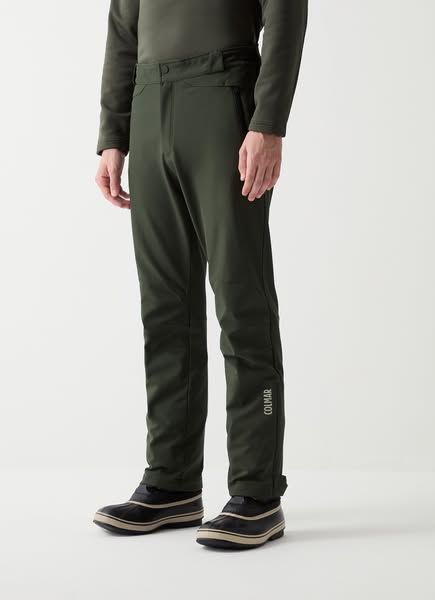
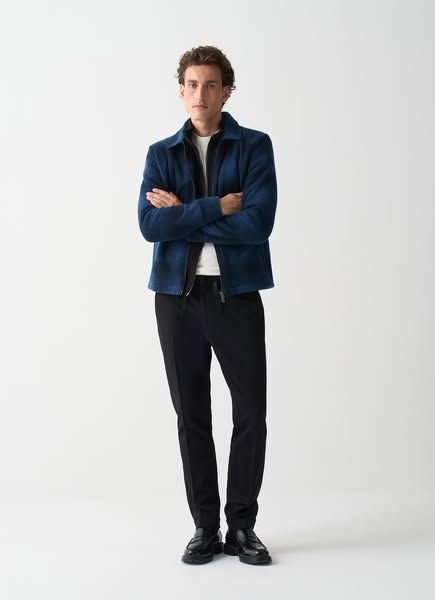
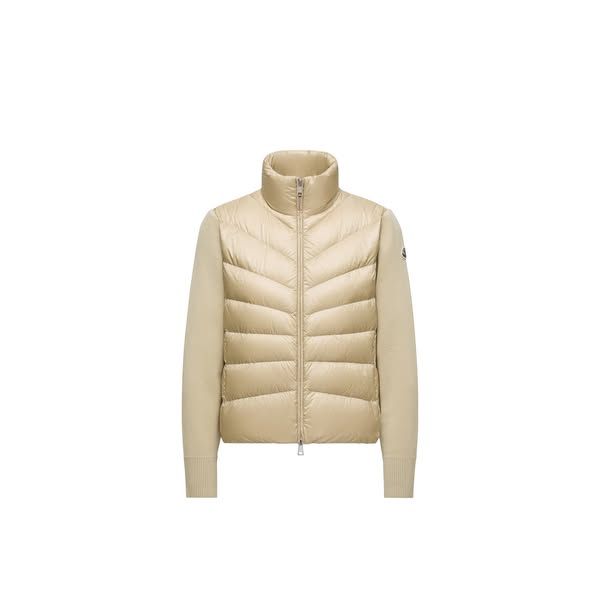
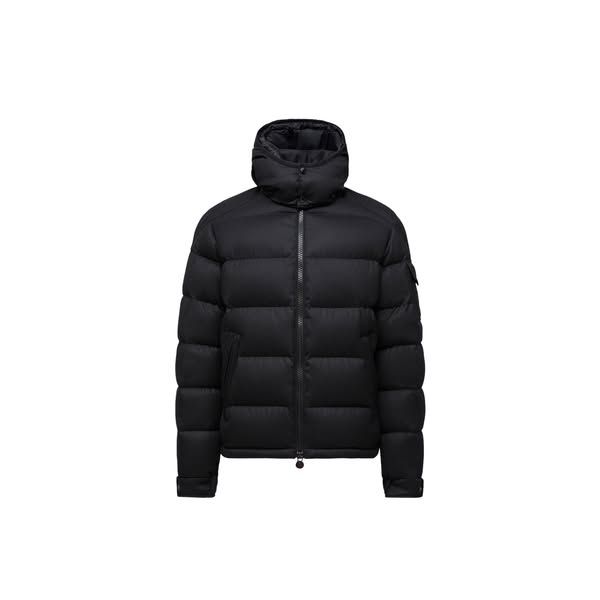
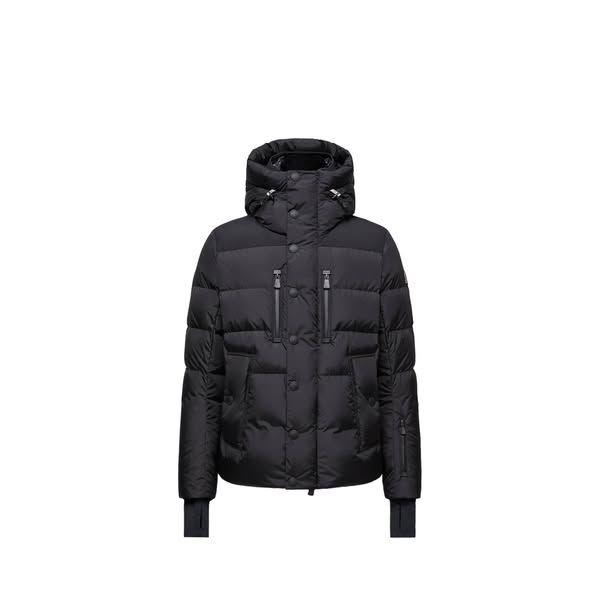
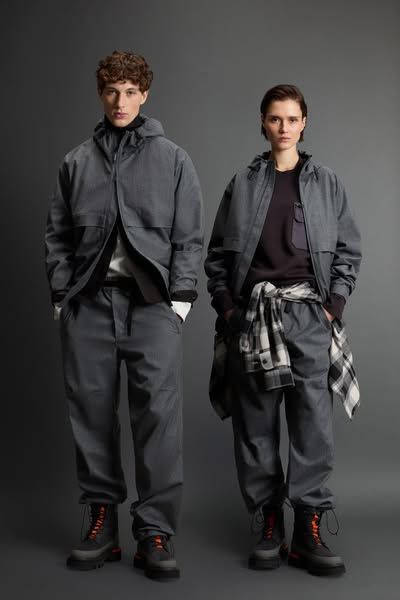
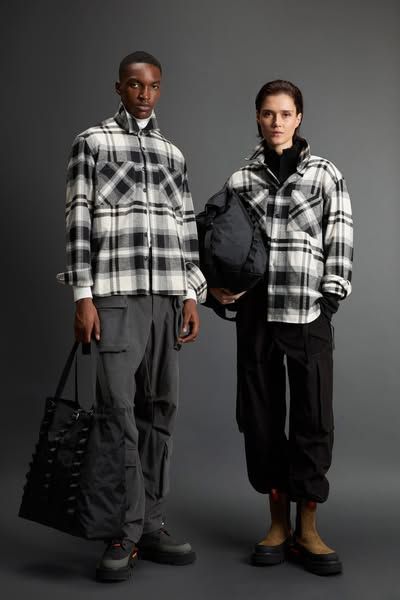
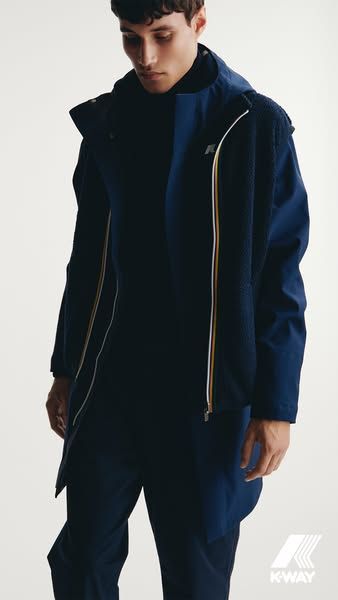
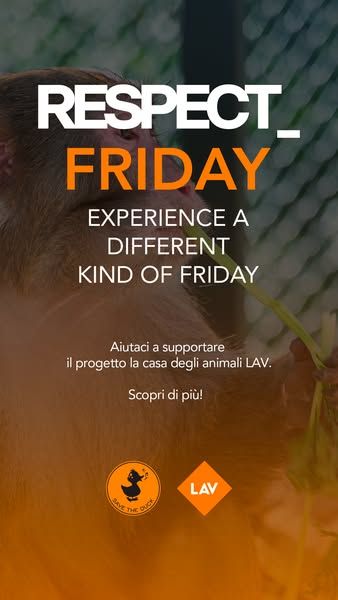
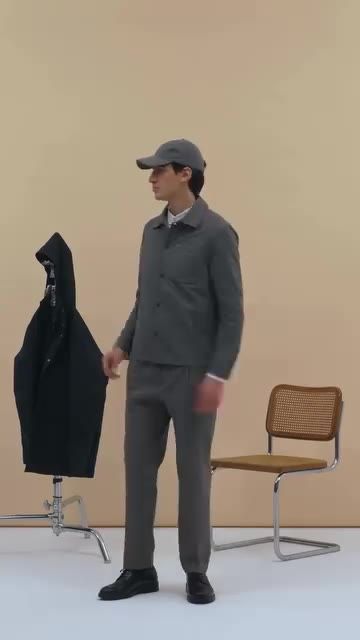
Films these brands ran, from the Creative Data Room’s public archive. Open a brand to see everything we hold on it.
 New for this momentTested 2× · 23s · 47 days
 New for this momentTested 2× · 15s · 47 days
 New for this momentTested 2× · 20s · 47 days
 New for this momentTested 4× · 10s · 47 days
 New for this momentTested 4× · 31s · 47 days
 New for this momentTested 2× · 30s · 25 days
 New for this momentImage · 49 days
 New for this momentImage · 1 day






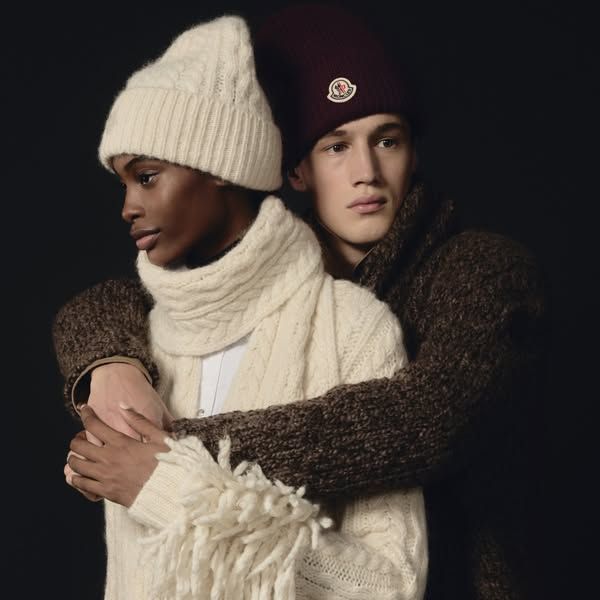
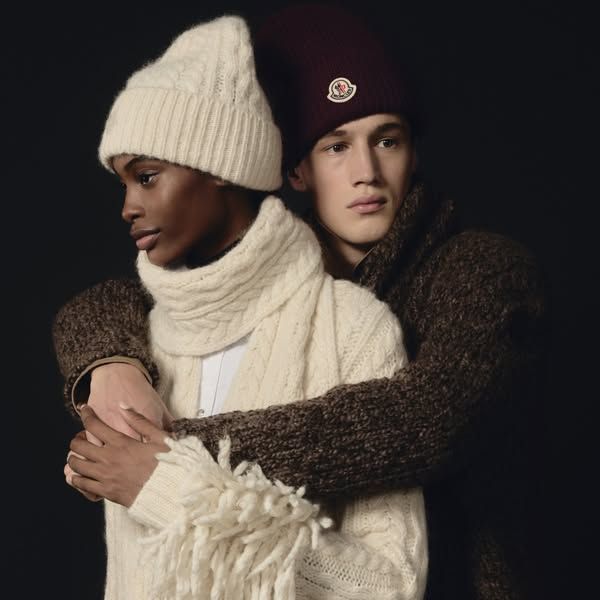
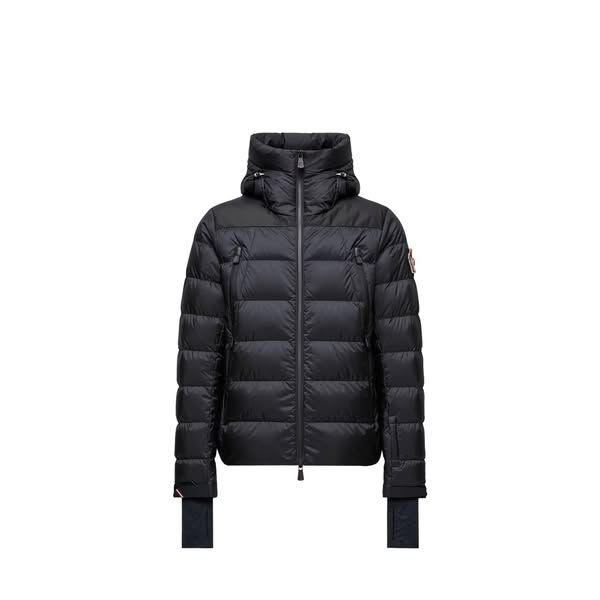
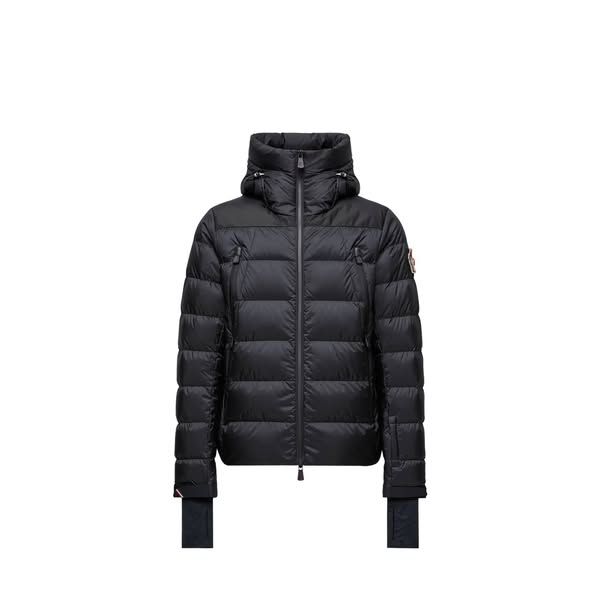













More studies
All published studies →Premium outerwear does not discount for Black Friday. It launches.
Premium Outerwear — Italy · Black Friday / Cyber 2025 · 8 min read
Four fashion markets, four Black Fridays
Fashion, four segments — Italy · Black Friday / Cyber 2025 · 8 min read
When does Black Friday start? Four industries, one calendar
Fashion, Beauty, Pet, Grocery — Italy · Black Friday / Cyber 2025 · 10 min read
How this was built
Set: Autry, P448, Golden Goose, Herno, Colmar, Moncler, Woolrich, K-Way, Save the Duck. Window: 1 November 2025 – 31 December 2025. Source: Meta Ad Library (EU).
Ads were collected from the public Meta Ad Library for the EU, scoped to nine advertisers in the Italian fashion and sneaker category, for ads launched in November and December 2025. The video-opening analysis (promise, form, tone and craft) uses the Black Friday window itself, 10 November to 2 December 2025 — which is why it counts 218 video ads against the 240 launched across the two months.
Reach is launch-attributed: an ad's lifetime reach is counted in the month it launched, so the figures show when reach was bought, not when it landed.
The reach index normalises median reach for an opening against the market base for the set, where 100 is that base. It is the fairest available comparison between openings used by brands of very different size, but it does not fully remove spend effects.
Video creatives were downloaded and their first three seconds classified across ten dimensions. Three — promise, form and tone — had enough classified volume in this set to report. Subject scale, face presence, gaze direction, arousal, valence and text load did not, and are withheld rather than shown as zero.
Cuts backed by fewer than 10 creatives are marked low-n throughout and are not used to support headline claims.
Your category, your moment
See this for your own brand set
We build these for a specific brand against a specific competitive set — your category, the moments you actually trade on, and every video opening classified the same way. Tell us who you want to look at and we will set up a data room for you.